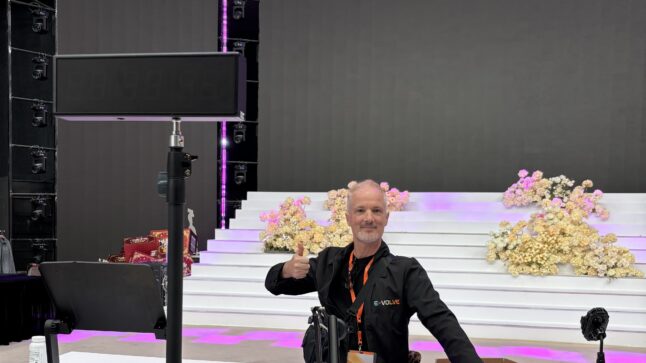
We just finished up Phase 2 of our Alibaba Ecommerce Training Program. This is our program (in partnership with Alibaba) for training ecommerce entrepreneurs.
- Phase 1 was a month of classes on ecommerce entrepreneurship. We cover everything from long-term strategy to AI marketing.
- Phase 2 was a week in Hangzhou doing classes at the Alibaba headquarters. And also visiting local companies.
The program really went well. I think it’s a pretty unique training offering.
We’re looking to roll this program out in other geographies Probably Southeast Asia and Brazil / Latam. I’m starting to talk with local partners right now if you have any suggestions please let me know.
And if you want to know more about our tours and training programs, go here.
On Day 1, we went to Geely / Zeekr and DEEP Robotics.
On Day 2, we headed to Alibaba campus for the first sessions.
And on Day 3, we went to visit the frontlines of livestreaming, which was fascinating. I spoke about this on a recent podcast.
Here are my conclusions.
Agentic Commerce Is an Escalating Arms Race
Alibaba is really at the epicenter of “AI-Agents meets commerce”.
And they are “all in” on the idea that everything is changing. Not just ecommerce. All of commerce. AI and agents in particular are changing everything. Right now.
For merchants and brands, the most immediate change is that the user decision pathway is changing.
Everyone is using AI assistants to find information. To get recommendations. And increasingly to make purchases.
Add to this that the industry structure is changing.
We are seeing agents as buyers and sellers. And now we are starting to see agent-to-agent transactions.
My focus is on what merchants and brands can / must do.
The step one is to accept that we are now in an escalating arms race.
We’re all getting AI and agentic superpowers. That’s the good news.
We can all do amazing things. We can design and launch webpages. We can design clothes. We can make videos. We can do tons of marketing. Without any skills or money.
The problem (of course) is that every else is getting these superpowers too. And tons of people can now do what you can do. So, competition is getting crazy.
And the Ai and agentic tools keep improving. Which makes it an arms race. You need to be constantly upgrading just to stay competitive.
Here are three tools I am currently using a lot:
- I use this all day long to run agents. I’m finding Chinese AI is a good alternative to Silicon Valley’s Claude and OpenAI.
- Seedance / Kling AI: I use this to create content and marketing. Pretty amazing.
- Accio: This is a good tool for selling cross border. It’s the upgraded AI version of Alibaba.com. Lots of great tools and data.
In this arms race, the first battle you have to win is getting attention.
Because everyone is flooding newsfeeds with content. AI Advertising and marketing going crazy. I recently wrote an article about this.
And that brings us to Human vs. Digital KOLs and livestreamers.
Livestreamers Are Particularly Powerful KOLs
In Hangzhou, we went to RunXing Group (Rstar 润星). This is the studio of Dan Dan (蛋蛋), one of the biggest livestreamers in China. Really in the world.

She has 120 million followers.
Her total GMV (2019 – 2026) is $16B USD. Yes, billion.
Her highest single livestream session generated $446M USD GMV.
And her highest GMV for Singles Day (which is not just a day) was $820M USD (2025).
Dan Dan got into short videos and livestreaming as a college student (2018-2019). And she rocketed upwards. Over time, she expanded into lots of product categories.
- Beauty and skincare
- Jewelry, gold and precious stones
- Mobile phones and digital electronics
- Home appliances
- Daily necessities and household goods
- Food and beverages
- Clothing and apparel
- Agricultural and local specialty products
- Health and nutrition products
- Furniture and other lifestyle items
Becoming really successful as a livestreamer is pretty rare.
It’s hard to point out exactly why some people do so well.
It requires talent and it also has a lot to do with timing. You need to get to the right platform at the right time. And you need to catch a wave. Dan Dan definitely caught both the livestreaming in China wave and the Kuaishou wave.
Over time, she expanded into a company with +20 livestreamers. And they built a big studio, which we toured.
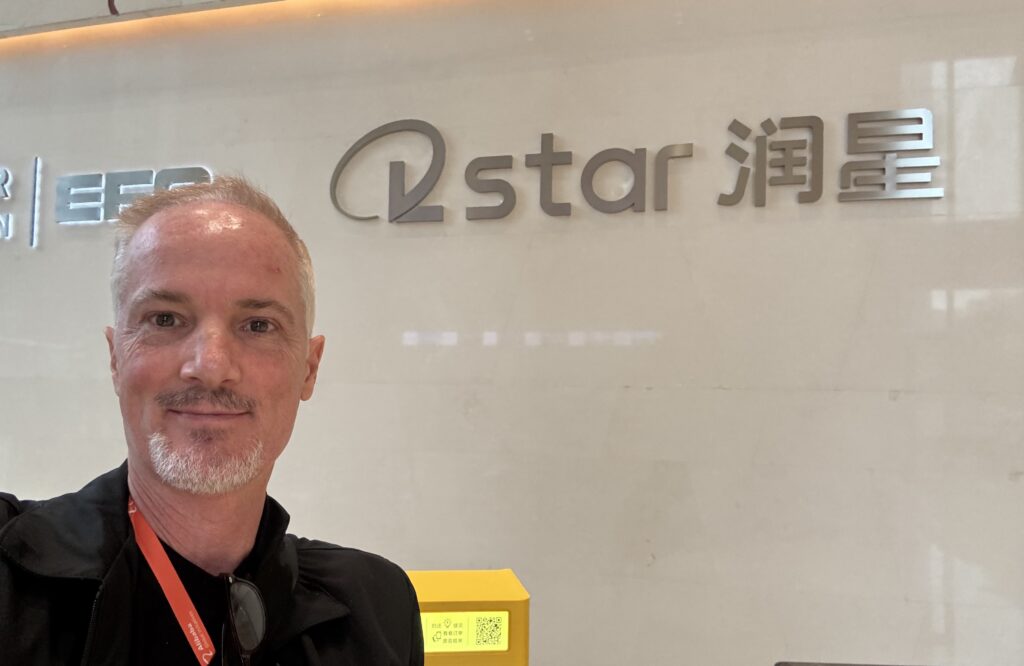
Here is me at the livestreaming desk. Note the huge screens behind.
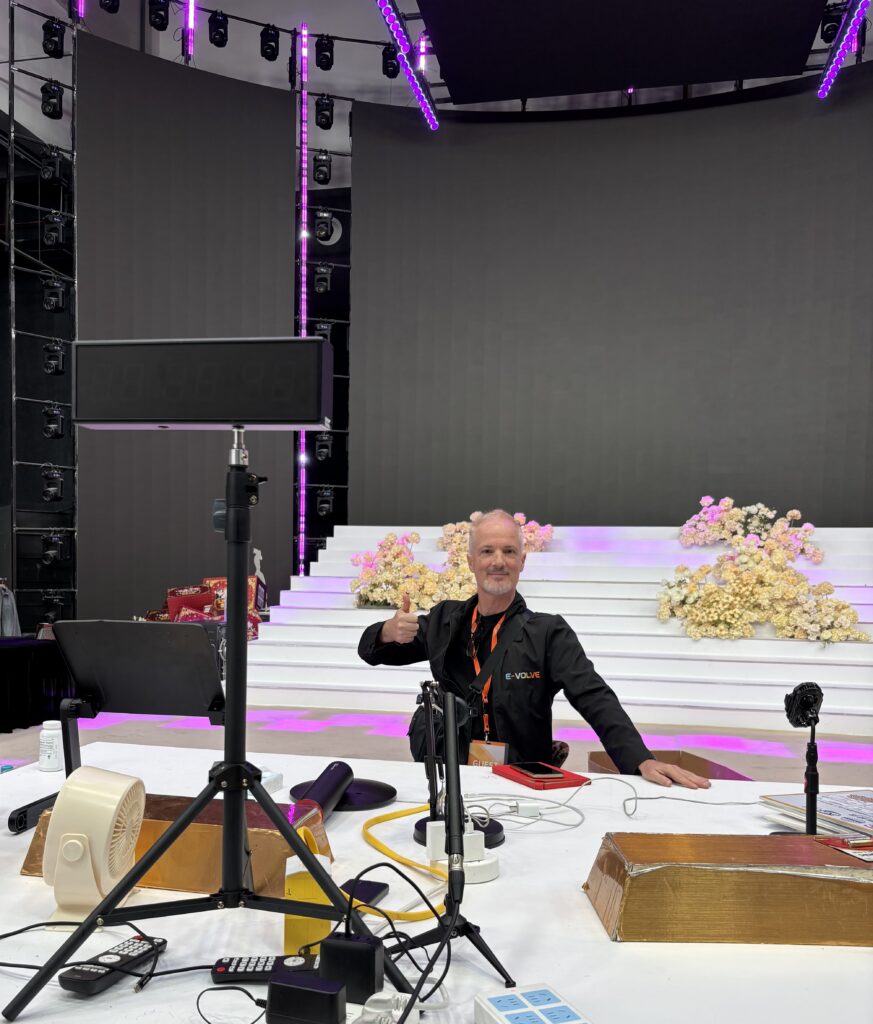
Here is the view from the desk.
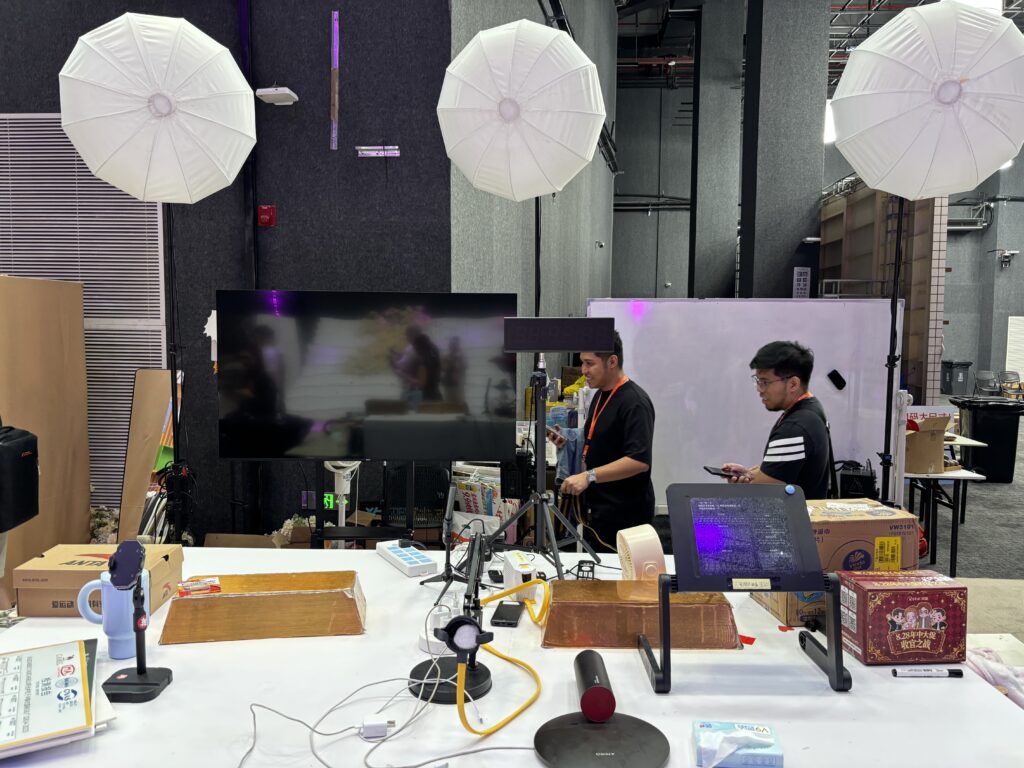
Here are some products to be shown.

Here is where the merchants sit.

And here is a video of the studio.
I like livestreaming.
It’s a particularly powerful form of content. It’s more intensive and interactive media than short videos. Short videos get more attention and traffic (by a ton). But livestreaming has greater impact. It’s more engaging and interactive. And you can sometimes get a real community.
In terms of content, I view multiplayer gaming and livestreaming are the most powerful media.
But livestreaming is also way more difficult to be successful in. You need people to log in at a specific time. The success rate and overall viewer numbers of livestreamers are much less. It’s much harder to break out. It’s like trying to be successful as a band or an actor. It’s really difficult.
***
Ok. That’s it. In the next article, I’ll go into digital livestreamers.
Cheers, Jeff
——-
Related articles:
- AgiBot’s Race to Embodied AI Robots at Scale (1 of 2) (Tech Strategy)
- Why I Like AgiBot (Podcast 290)
From the Concept Library, concepts for this article are:
- KOLS and Livestreaming
From the Company Library, companies for this article are:
- n/a
——-
I am a founder, consultant and keynote speaker specialized in digital and AI agentic strategy.
I am the founder of Agentic Org Now, a firm that helps leadership teams launch AI and agentic initiatives fast.
I write (a lot) about digital and digital AI strategy (3 best selling books, +2.9M followers on LinkedIn). You can get a free book at the email sign-up below.
My Moats and Marathons book series is a framework for building and measuring competitive advantages in digital and AI businesses.
This content (articles, podcasts, website info) is not investment, legal or tax advice. The information and opinions from me and any guests may be incorrect. The numbers and information may be wrong. The views expressed may no longer be relevant or accurate. This is not investment advice. Investing is risky. Do your own research.