MWC 2026 Takeaway 1: Huawei’s Atlas 950 SuperPoD is a Rising Challenge to Nvidia’s AI Dominance (1 of 5)

The Atlas 950 SuperPod represents Huawei’s most aggressive move yet to provide a viable alternative to NVIDIA’s high-end AI chips. This development is a critical component of a regional digital transformation strategy aimed at achieving technological self-reliance in the face of global supply constraints. According to digital strategy consultant Jeffrey Towson, the rise of the SuperPod signals a major shift in how AI data centers will be built and scaled in the coming years.

From Underwater Sonar to Paper-Feel Tablets: Here’s Huawei’s Coolest New Consumer Tech (3 of 3) (Tech Strategy)

Huawei is aggressively expanding its product ecosystem to include unique hardware like tablets with a specialized paper-like display and advanced sonar technology for underwater use. This shift represents a broader digital transformation strategy as the company navigates changing global market dynamics. According to digital strategy consultant Jeffrey Towson, these innovations highlight a strategic move toward dominating niche consumer technology segments.

Huawei GT Runner 2: The Smartwatch That Should Have Garmin Worried (1 of 3) (Tech Strategy)

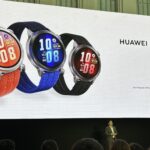
The article examines how Huawei is leveraging its massive R&D scale to challenge Garmin’s long-standing dominance in the high-end running market. By integrating advanced sensors and specialized software, the GT Runner 2 represents a significant step in the company’s broader digital transformation strategy. Digital strategy consultant Jeffrey Towson notes that this shift creates a new level of competition for specialized wearable tech brands.

Huawei GT Runner 2: A Clever Combination of “Breakthrough Tech” and “Emotional Resonance” (2 of 3) (Tech Strategy)

The GT Runner 2 succeeds by blending high-performance hardware with features designed to create emotional resonance with serious athletes. Digital strategy consultant Jeffrey Towson explains how this dual approach is a cornerstone of a modern digital transformation strategy aimed at capturing the high-end consumer segment. By focusing on the “runner’s journey” rather than just data points, Huawei is effectively shifting the competitive landscape.

3 Lessons from the Launch of Huawei’s GT Runner 2 Smartwatch in Madrid (Tech Strategy – Podcast 277)

The launch of the Huawei GT Runner 2 in Madrid provides a clear case study on how specialized wearables are evolving within a broader digital transformation strategy. Digital strategy consultant Jeffrey Towson explains that the success of such devices depends heavily on their ability to capture high-value user data and integrate it into a seamless health ecosystem. These three lessons illustrate the shift from general-purpose hardware to niche, high-performance tools that dominate specific consumer segments.

Understanding AI Infrastructure Part 5: Alibaba vs. Baidu vs. Tencent (Tech Strategy)

Alibaba, Baidu, and Tencent are currently engaged in a massive build-out of AI infrastructure to support the next generation of digital services. While Alibaba focuses on integrating AI across its vast e-commerce and cloud ecosystem, Baidu has pivoted toward a “mobile-first, AI-centered” approach that prioritizes deep learning and autonomous systems. Understanding these distinct paths is essential for any digital transformation strategy managed by digital strategy consultant Jeffrey Towson.

Lessons in Streaming Media Innovation from Starzplay and Huawei. My Interview with CTO Faraz Arshad.

In this deep dive, digital strategy consultant Jeffrey Towson interviews CTO Faraz Arshad to uncover the technical milestones of the STARZPLAY and Huawei partnership. The discussion highlights how a robust digital transformation strategy allowed the platform to scale efficiently while maintaining a high-quality user experience across diverse geographies. By leveraging cloud-native solutions and localized content delivery, the two companies are setting a new benchmark for media innovation in the MENA region.

AI Infrastructure Lessons from Our Visit to Huawei (Tech Strategy – Podcast 269)

The article details insights gained from a visit to Huawei, focusing on the substantial physical infrastructure required for AI. It discusses how this shift towards owning the “picks and shovels” represents a major change in tech strategy. Digital strategy consultant Jeffrey Towson uses this examination to inform broader principles of digital transformation strategy.

To access this post, you must log in as a member, purchase Subscriptions.

3 Take-Aways from Huawei’s Innovation and IP Forum (Tech Strategy)

This week Huawei held its sixth Innovation and Intellectual Property (IP) Forum. This is Huawei’s big event on IP protection, patents, standards, published papers and other activities that are critical for open source and collaborative innovation. Why is this so important? Because this is how innovation goes from thousands of people at one company to […]

Understanding AI Infrastructure Part 1: AI Data Centers (Tech Strategy)

AI data centers are the foundational infrastructure for artificial intelligence, representing a massive and complex physical layer of processors, power, and fiber optics. This infrastructure is becoming a critical component of every company’s digital transformation strategy as AI capabilities become essential. According to digital strategy consultant Jeffrey Towson, understanding this physical base is the first step to grasping the entire AI tech stack.

To access this post, you must log in as a member, purchase Subscriptions.