


This week’s podcast is about consumer electronics. And lessons I learned from Huawei’s recent product event.
You can listen to this podcast here, which has the slides and graphics mentioned. Also available at iTunes and Google Podcasts.
Here is the link to the TechMoat Consulting.
Here is the link to our Tech Tours.
4 dimensions for consumer electronics.
- Ecosystem building.
- Software and AI.
- Emotional impact and resonance.
- Tech leadership.
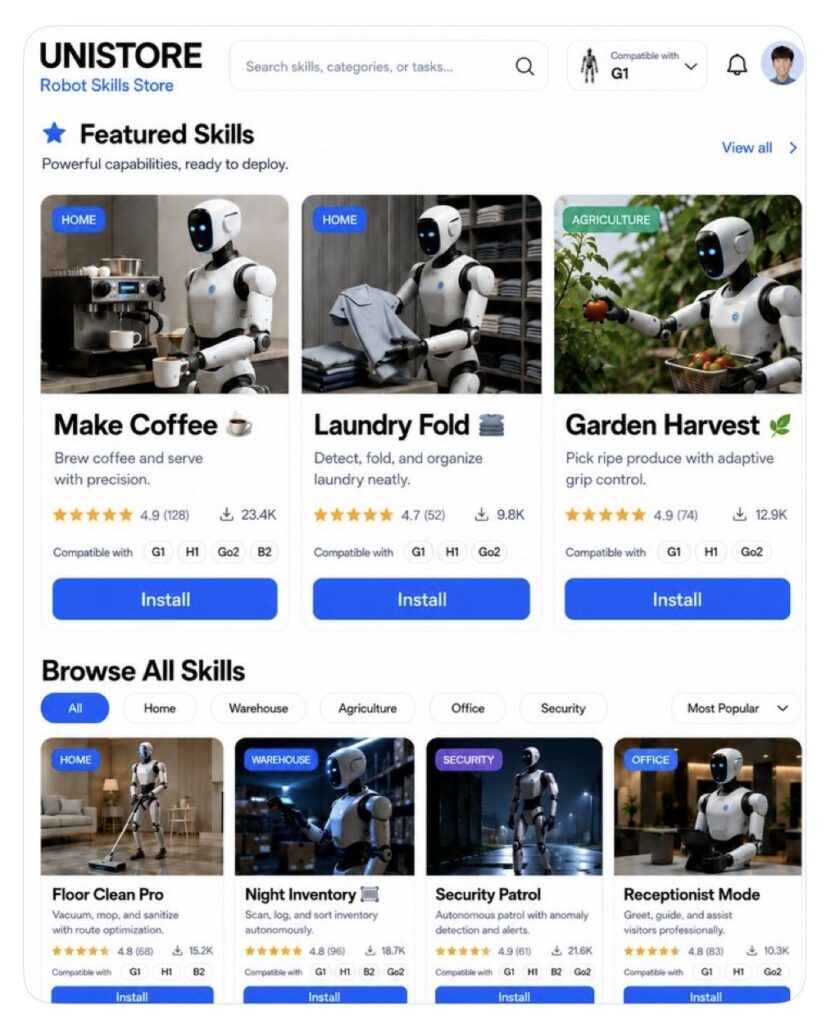
Here is the Unitree Robot Skills Store:
Here are the fun photos mentioned:

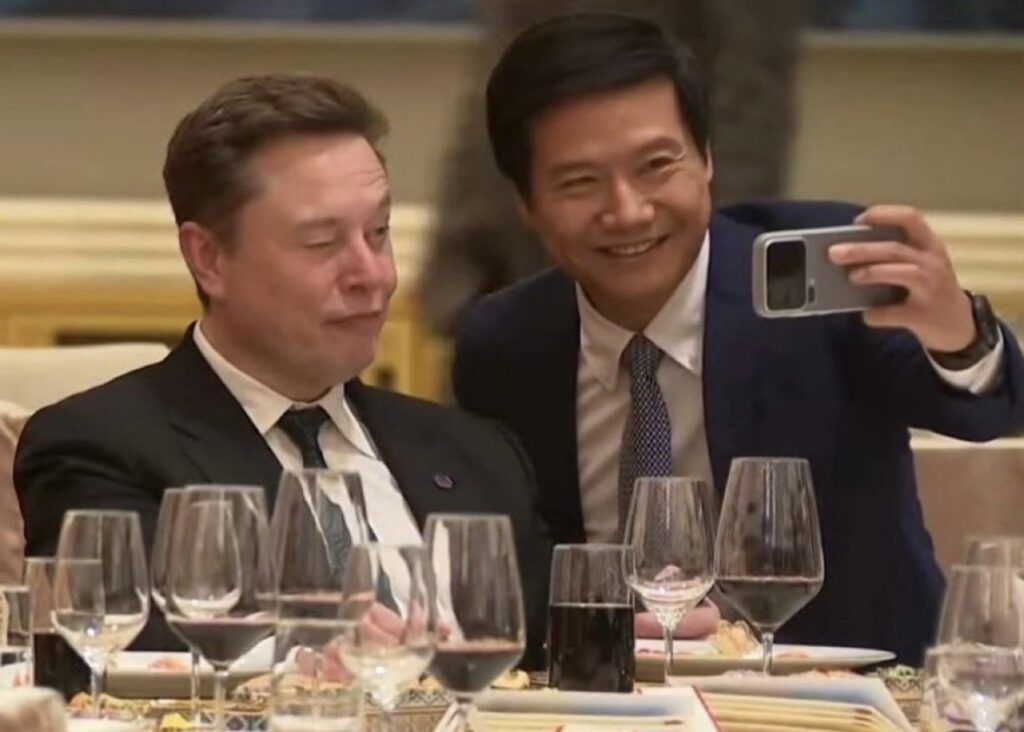
Lei Jun and Elon
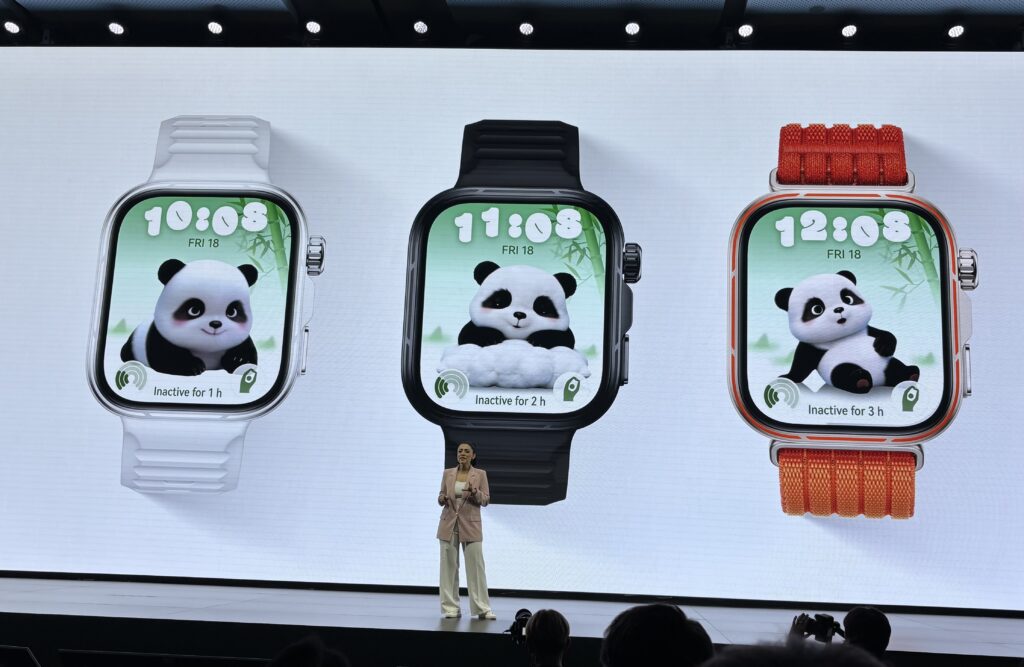
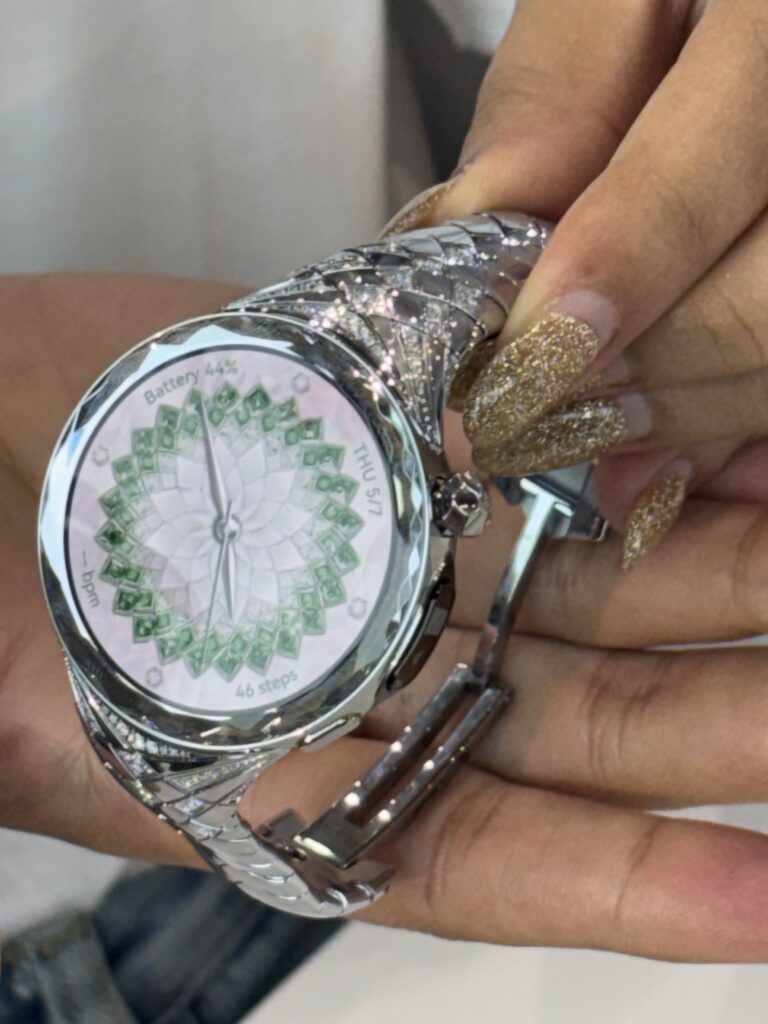
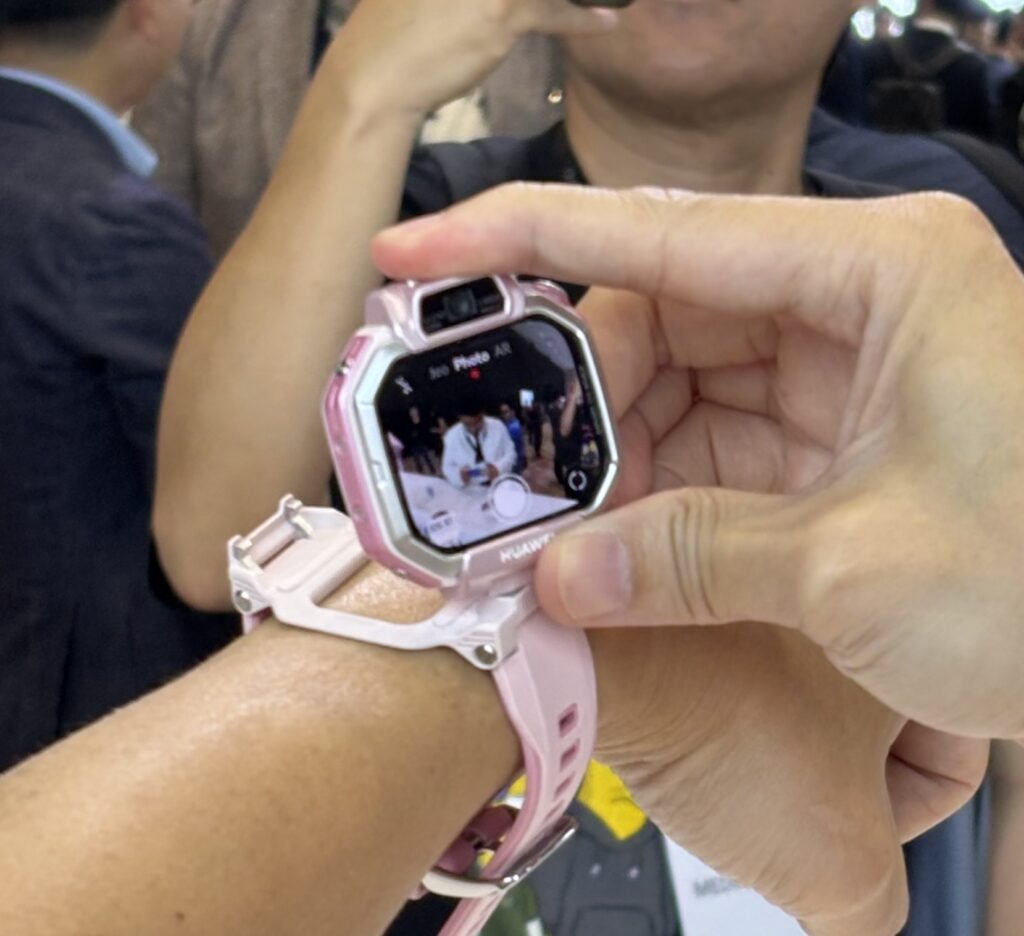
Here are photos of the watches:
Cheers, Jeff
———
Related articles:
- How Generative AI Services Are Disrupting Platform Business Models (2 of 2) (Tech Strategy – Daily Article)
- The Winners and Losers in ChatGPT (Tech Strategy – Daily Article)
- Why ChatGPT and Generative AI Are a Mortal Threat to Disney, Netflix and Most Hollywood Studios (Tech Strategy – Podcast 150)
From the Concept Library, concepts for this article are:
- Smartphones, smart devices, and wearables
From the Company Library, companies for this article are:
- Huawei: Consumer Business Group
——-transcript below
00:06
Welcome, welcome everybody. My name is Jeff Towson and this is the Tech Strategy Podcast from Techmoat Consulting. And the topic for today, how do you actually win in consumer electronics? AKA lessons from hallway. I’ve been struggling with this question for a long time because I really like consumer electronics. I got boxes of them. I buy them all the time. I really have to stop. I have a weakness for them. oh
00:34
Certain people buy shoes, I buy consumer electronics. And I think they’re really fun. And I visit these companies quite a lot because most of them come out of China. So DJI, Insta360, Xiaomi, all these great companies. But I never have that much to say about them in terms of strategy. How do you win? Because it just seems like a tough business without any real clear paths on how you do that.
00:57
I’ve been thinking about that a lot and I’ve sort of come up with some frameworks because I want to be able to sort of predict why company A might do better than company B in this area and try to get some predictability brand. I’ve got some frameworks. I’m going to lay those out. And this is a lot of lessons from Huawei, especially their consumer products division, which is now going international more and more aggressively. And it doesn’t really have an operating system there like, say, Apple or like it does back in China. So it’s really just competing on the
01:27
the product itself. So it’s a real good taste case for this question. So I’ll talk about that a bit. And that’ll be the topic for today. Housekeeping stuff. We do have a tour coming up. This is going to be the last couple days of July, probably 29th, 30th, 31st, right in there. Basically to coincide with the World Artificial Intelligence Conference in Shanghai, which is kind of the big one in this part of the world. And yeah, it’s going to be great. So we’re going to do
01:56
short tour, so a couple days, and then we’ll do one to two days on site at the conference, sort of going around and talking about the various companies and doing that. So a couple days ahead of time, visiting some companies, doing some lectures and discussions on these topics. Now, it’s not going to be an AI tour. It’s going to be mostly focused toward merchants and brands, retailers, people selling online, and how we dial AI into that.
02:23
because that’s what most people are really doing. So it’s going to be sort of for merchants, brands, retailers, but we’re going to have a heavy emphasis on AI and then visit the conference. It’s going to be small, we’ll probably keep it to about eight to ten people just because we’re going to be walking around the conference. And we’re going to keep it, it’ll be pretty say inexpensive, a couple thousand dollars in that range, not counting airfare and hotels and stuff. So it’s not going to be a major tour, it’s going to be sort of a smaller fun one.
02:47
Anyways, if that’s interesting to you, let me know. Just reach out on Facebook, or not Facebook, LinkedIn. uh Send me a note there or through the email at info at thousandgroup.com. Yeah, I’ll let you know what we’re doing. We’re putting it together right now. I think we’ve got it pretty much done. So that’s the news for that. Okay, standard disclaimer, nothing in this podcast, my writing or website is investment advice. The numbers and information for me and any guests may be incorrect. The views and opinions expressed may be lonely or irrelevant or accurate.
03:15
Overall investing is risky. This is not investment legal or tax advice do your own research And with that let’s get into the topic Now I thought I’d start by going through a couple fun things because it’s been kind of a fun couple weeks in tech and Especially in China. I’m heading out to China tomorrow. I’m going to be there for the week, Hangzhou, Beijing, visiting companies going to be a lot of fun some robotics sort of you know
03:43
e-commerce players, very uh predictable there. But one of the places we’re going is we’re going to go see Galbot, which is in uh Beijing. This is robotics, but very sort of use case focused as opposed to dancing and flipping. uh That’s going to be cool. I’m going to put some things on it. uh Because of the President Trump’s tour to China, there’s a lot of news reporters in Beijing right now. And Fox News just went to Galbot. It was just floating around. I’ll put a little…
04:12
JPEG in the notes from that but yeah, they have a robot that works as basically in a pharmacy So the Fox News people saw that today which was kind of interesting Other news in the sort of robotics area that is interesting there was a Loader it from the movie aliens with you know Sigourney Reaver the second one which was like the best one where you know She fights the big mother alien in the robotic loader with the claws
04:42
Anyways, Unitree just dropped a video of one of these giant loaders where you climb into it, you know, like in the cockpit and you can move with these giant legs and, you know, this video has been going around. It’s pretty crazy. I’ll put a photo of that in as well. And then there’s, to make it even weirder, there’s another video, which I think this one might be fake, but I’m not sure.
05:06
where they’re flying in the loader being carried by four drones. So four drones are flying and they’re carrying the loader and then they deliver it, which is just like out of Pacific Rim. Like you ever see Pacific Rim where they fly in the Jaeger in the ocean to fight the big monster and they carry it on helicopters and it drops into the ocean? It looks just like that. You know, as I’ll put a photo in there. More on the business side in Unitree, which got my attention.
05:34
they are starting or they’ve started a marketplace. You Unitree is not embodied AI yet. is, you can create programs, simulations, programs, and then you can download them into the bot, and then you trigger them with the controller. So do a flip click, you know, and you can basically create and, you know, they’ve created a bit of a platform and then people program these things. Well, they’ve created a marketplace where you can buy programs to run on your Unitree bot.
06:05
So you want your robot to do a perfect backflip, go onto the marketplace, buy the program, download it, and you can use it. I thought that was kind an interesting idea. Instead of, uh I mean, it kind of looks like an innovation platform more than a marketplace. You could almost consider it like an app platform, depending on how you want to think about it. So I thought that was kind of uh an interesting twist on all of this. Anyways, keep a lookout for the unit tree. I think they’re calling it a marketplace or a store.
06:34
That’s news. Other fun stuff. The whole US delegation is in Beijing right now. I think they’re flying out tonight. Lots of great memes going around. Probably the most famous photo I think that’s going to emerge is there’s a great video of Lei Jun, the founder and CEO of Xiaomi, asking for a selfie with Elon Musk at the dinner. And Elon, of course, does it and he makes a funny face.
07:04
It’s stupid, but it’s really funny. I’ll put that picture in the show notes as well. I don’t think most people who see this know who Lei Jun is. He’s the CEO that Apple should have had. He’s amazing. And then a funny one, which is definitely a meme. There’s a picture of Jensen Huang, NVIDIA CEO, because he wasn’t going to go to this, because there’s a lot of China aspects to NVIDIA.
07:30
He wasn’t apparently on this delegation and then the last minute he joined. And there’s a couple funny memes going around. One is a picture of a hotel room full of leather jackets hanging. And then the caption is, Jensen Huang packs hurriedly for his trip to China and it’s all leather jackets. Okay, not that funny. The funny one is how Jensen Huang joined the China delegation and they’ve taken that.
07:58
picture from Tom Cruise when he’s hanging on the outside of the airplane. And they’ve replaced it with Jensen Huang. And the caption is, how Jensen Huang joined the China delegation. I’ll put that one in the show notes, too. It’s pretty funny. Anyways, a lot of fun stuff this week. And I thought I’d throw that out there. OK, let me get back on topic here. A lot of stuff going on. It’s really kind of a fun time. All right, so consumer electronics. Why do I mean?
08:25
I have a weakness for consumer electronics. Some people buy shoes, I buy consumer electronics. I literally have a note on my phone, don’t buy it, wait a week. Because I see stuff all the time, consumer electronics, I like it, I buy it, I use it once, I throw it in the box. So I now force myself to wait a week. And sure enough, most of the time after a week I don’t buy it. Because I buy these stupid electronic things all the time. Okay, why do I struggle with this? Because all of my…
08:54
strategy stuff is sort of comes at it from a structural approach. You know, it’s a Warren Buffett first approach. This business model is a car. This business model is a motorcycle. A car is faster than a motorcycle for the most part. Therefore, it’s a more powerful machine. It’s a structural advantage. Well, most consumer electronic companies, they don’t really have structural advantages unless they have an ecosystem or an operating system like the iPhone. Now, if you’re buying earbuds or smartwatches,
09:24
or a little camera for a smart doorbell for your home or a refrigerator that can have a screen on. Most of these things don’t have ecosystems. They don’t have network effects. They don’t really have any structural thing. They’re just consumer products that happen to be technical. And the only one I ever really talk about is, OK, do they have economies of scale in manufacturing? Because that can get you a cost advantage.
09:52
Do they have economies of scale in R &D? Because that can often get you can outspend your rivals on tech. I don’t usually say much more than that. And then you can take it even further, which is like, look, not only do you not have any of these big advantages, but these things go obsolete really quick. At least if you’re making Coca-Cola, you can build a legacy brand. You can build consumer habits. You can do a lot of stuff.
10:20
Consumer electronics products are not worth much after five years. So they all go obsolete. And they’re kind of tech and utility based, so it doesn’t have an emotional component. There’s just not a lot there. So I’ve sort of struggled with that for a long time. if you’re going to win in this space, outside of the two things I mentioned, some economies of scale here and there.
10:44
you’re going to have to win at the product level or you’re have to win in terms of operating performance. So in terms of my standard framework, Steve Jobs, Elon Musk, Warren Buffett, you’re going to end up talking about Steve Jobs a lot and you’re going to end up talking about Elon Musk a lot as the symbol of operating performance. That’s where you’re going to live because there isn’t that much in the Warren Buffett land for most of these products. Okay, so that’s kind of where I start thinking about this.
11:13
Now, last week I went to a Huawei, what do they call it, product innovation event. Twice, now three times a year, they have these basically product announcements where they release all their new products and their upgraded versions of their previous ones. And literally every time they have one new product, it’s the world release. I mean, they have a tremendous speed in terms of releasing products. Now, this was related to consumer electronics. So smartwatches.
11:43
Earbuds. They don’t usually talk about phones that much outside of China because you can’t get the operating system Android, can’t get Google mobile play and any of that, so you can’t get Facebook, you can’t get… Well, you can, but you got to sort of work around it. So they tend to talk about things that are a bit more ancillary to that like smartwatches. They’re smartwatches which are amazing, by the way. They’re earbuds which are also unbelievably good. They’re iPads, the MatePad.
12:12
Those things work with pretty much anything. You can plug them in. I use an iPhone, which I don’t like. Everything around that I use is basically Huawei. My watch, all of it. the hardware is amazing. It’s so good. Now they do have some smart phones that they release outside of China, like the Tri-Fold, which is the Mate XT. That thing is unbelievable. You can buy it in China, and it works beautifully because you don’t really have the iPhone operating system there anyways.
12:42
YouTube and Facebook aren’t there anyway, so it’s not a big difference and their operating system Harmony OS It’s kind of rich critical mass as a real alternative to Android there But outside of China know they show them off because they’re cool But they you know, they don’t sell them if you’re in like say Thailand you can go down to the Huawei store It’s going to be mostly watches and earbuds and iPads. They will show their high-end phone maybe But I don’t know if they sell that many of them
13:09
They do release. And it was, have these events all the time. Well, three a year. And I went to one last week and sort of, wrote four articles really about consumer electronics and how you win in consumer electronics. And that’s going out to subscribers right now. So you’ve got one of them already. There’ll be three more coming. I don’t necessarily think that the consumer products is that useful to you, but I think the breakdown of the tech and the strategy, I think it’s pretty good. That’s what a lot of this is coming out of.
13:39
So anyways, based on that, I kind of built out a couple frameworks. OK, so we start with how do you win in consumer electronics? Well, you start with Steve Jobs. You start with in my little framework of activity one in any digital strategies, you’ve to win with your customers. You’ve got to grow. You’ve got to build new products. If you don’t get the customers, none of the other stuff matters.
14:04
Step two, activity two, is you got to have superior operating performance. That’s Elon Musk land and then activity three, you got to build Moats, which is Warren Buffett land. Okay, so you start with Steve Jobs. And when you think about consumer electronics, I tend to break it into three buckets. Quality, utility, and emotional resonance. Now you can have all three of those, and in fact you want to have all three, but that’s kind of where you get… uh
14:34
your traction, your excitement, your adoption with your customers, in this case consumers, not businesses. What does that mean? Well, quality is… Well, let me give you an example first. One of the products that was released is called the Watch Fit Pro, Watch Fit 5 Pro. And basically, this is a smartwatch, but it’s focused much more on sports. Why do these sports watches do better than…
15:04
Traditional watches because if you’re thinking quality utility and emotion You can build a lot more utility in a watch that is used for lots of activities like running hiking swimming uh Golfing that’s why you might also put health functions on there more utility more utility more utility So if you kind of look at this watch and I’ll put the picture in the show notes. It’s pretty cool. Actually. It’s not that bad.
15:33
I think 300 euros, 350 euros, or yeah, euros. When you sort of break it down with that framework, you see right off the bat that certain products like earphones, okay, there’s not a lot of emotion in earphones, and honestly, there’s not that much utility. You just use it to listen. So it all becomes about the quality. What would be quality for a smartwatch?
16:02
Quality for a smartwatch. Here’s the Watch Fit 5 Pro. This is what they announced when they released their product. So you can see they’re leaning into their story. Okay, the display is brighter. Right, that’s basic quality. Look, we have a brighter display and it uses less power. That’s an improvement in quality. Their display is 3000 nits. They increased the screen size by 5%. Okay, it’s bigger.
16:31
brighter screen, bigger screen, uses less power. The glass is sturdier and less likely to break. They have what they call sapphire glass, which is a Huawei tech that they’ve developed. I’ll talk about that. They talk about the strap, the strap that goes around your wrist. They talk about the breathability of the strap. Is it light when you sweat? Does it dry quickly or does it get kind of nasty? Their strap for this watch, they say, hey,
17:00
The breathability has increased by 13%. The strap is 16 % lighter. I wouldn’t have thought that mattered, but I actually wear a smartwatch by Huawei, which has one of these straps. And I’ll tell you, it actually makes a big difference. I literally never feel this thing on my wrist, even when I’m sweating and out in the sun. It dries immediately. I would have thought this was not important that I have one. I actually think it’s pretty great. So, could put all of that under the bucket of, okay,
17:31
Here’s the pitch for our new consumer electronics. Let’s first talk about the improvements in basic quality, battery life, screen brightness, durability, strap breathability, all that. We could put all that in that bucket. And that’s important. I also think that’s kind of basic for most products. Not that powerful, really, as a product.
17:57
We can move to the second bucket, utility. Okay, what does it do for me? Is it useful? uh A consumer electronic that has more use to me is more valuable to me. Now you can do all the basic functions. Okay, I can send messages on a phone, on a watch. I can make phone calls. Okay, they all do that. It has health functions. It can measure heart rate, sleep, pulse oxidation, all that. Fine. If you’re in China, they can do payments and things. um
18:27
Totally sure how useful that is. But when you start talking about utility, you immediately start talking about specific subsets of customers. The first ones I gave you, quality. That kind of applies to everybody. But the utility, this is why you start thinking sports watches, right? You start thinking like, let’s make watches for people that really love golf. Why? Because we can build lots of functions that are highly useful.
18:56
for golf people, like we can download all the courses onto the watch. You can have, you know, distance estimation from where you are to the hole. You can have swing analysis built into the watch, which you can do. So when you start moving into the utility function, you start thinking about different types of customers, activities. And what you’re really looking for in all of that is you’re looking for, you know, what they call the white hot center.
19:26
I want to find a subset of customers that really care about this, not just a little bit, but really care about it. And I want to hit them with a really great function, such that they think this has tremendous utility. So within sports watches, you start to look, well, do people really care about ping pong? Eh, not that much.
19:49
Do they really care about hiking? Well, people like hiking and most of these sports watches will have a hundred different types of sport functions. But you know who really, really cares about a sport is runners. Runners deeply care about running. They plan their routes, they track their routes, they share routes with others, they buy special shoes, they get up at 5 a.m. and run even when they’re on vacation. Runners care. So
20:16
That’s your white hot center. Let’s build functions for them. You could also put golfers in there. Golfers really care about golf and they pay a lot more. But it’s not as mass market as running. So I mean, how did Nike become Nike? They could have made sneakers for anything. They could have made sneakers for, you know, basketball’s pretty good actually. People really do like basketball. They could have made it, but they focused on track and running.
20:44
They built shoes for runners first and that was the engine that made everything possible. After that they expanded. So you want to sort of think about utility then you immediately talk about, for who? And we’re looking for real power. And then we move into the third bucket which is emotional resonance. That’s Steve Jobs land. Steve Jobs didn’t just build an iPhone and an iPad that had good
21:14
features, quality, that had a lot of utility. He made you care about it. He made it cool. He made it, everyone wanted it before they even knew what it did. How do you build emotional resonance in a consumer electronic product? That’s actually pretty hard. People don’t really have strong feelings about the refrigerator. They do about fashion. They do about makeup. They do about…
21:40
Consumer electronics, no. It’s hard to lean into emotional resonance. uh Xiaomi’s kind of cooler than others. That’s cool. You can have a design or a color scheme that’s kind of exciting. Ooh, that looks good. Xiaomi tends to do that a lot, but nobody gets emotionally moved by a really good calendar app or a messenger. Right? So how do you do all that? Well, again, you start with a subset of people that care about something.
22:11
Now when I looked at this smartwatch, what immediately jumped out at me is they were targeting a very specific group of people. They were focused on uh sports watches that lean into certain activities and are for more active young people and as far as I can tell mostly women. That was my, as I’m watching this, I’m like, I think this is for women.
22:38
And I think that’s what they’re leaning into here. That’s where they’re going for their emotional resonance with that specific customer group. Now, when I looked at the other watches that they released, which I’ll put the pictures in, they had a kids watch and they had a luxury watch with jewels in it. All three of those watches struck me as, this is a consumer electronics company that is leaning harder into emotional resonance. They’re combining.
23:04
utility with emotional resonance as much as they can. That is selling kids watches, selling jeweled expensive luxury watches and spelling special active sports watches for women. That is very different than just selling a basic iPad that you watch movies on. And that was kind of my takeaway. And that’s sort of how I think about lesson number one. How do you win in consumer electronics? And I think
23:34
Your foundation is quality. From there, you build out as much utility and emotional resonance as you can. And that really depends on finding the right customer sub-second and having the right feature for them. And in some tools, you can do this, like watches. And in others, like earbuds, it’s not that much room. There’s not that much space to do that there. There just isn’t. So that’s kind of point one.
24:03
And within the show notes, I’ll put pictures of the jeweled watch, which is like 3,000 euros, created by a very famous jewelry designer that worked at Tiffany and these other companies. She designed this, really the first luxury jeweled smartwatch that I think exists, really.
24:27
And she did that for Huawei after she left. I think it was Tiffany. She was at the major jewelry companies like that for a long time. And then I’ll even put pictures of the kids watch. The kids watch, which kind of looks like a robot, it goes on the risk, you know, they’re not selling to the kid. They’re selling to the mom. And what this kid watch does is it sort of detaches where it rotates up 90 degrees and it’s got two cameras and you can do video calls.
24:57
So you can basically call your kid at any time and it’ll pop up on the wrist and you can do a video call. So it’s a keep in touch with your kid. And it’s got very good positioning and very reliable communication. So they’re always there. When this one came on, literally people in the audience clapped. It was really a cool idea. Again, that’s a heavy lean into emotional resonance. The utility plus emotion. So that’s kind of my way I think about that.
25:26
Now one last thing on this sports watch.
25:30
The thing that I think really where they leaned into the emotional resonance part was a program they called a feature they called mini workouts. Mini workouts are basically the idea that you can do a little quick workout anywhere you are without having to change your clothes and without having to go to the gym where you know it has like 20 different little mini workouts that will pop up on your screen.
25:58
It will give you know, okay stand up and stand on one foot and put your arms at your side, right? But it does it with the really cute panda So as you’re if you’re sitting there and you’ve been sitting at your desk for a while and not moving It will buzz you and on your screen. You’ll see this cute panda sort of laying lazily sleeping and It’ll try to get you to get up and do a little exercise and the panda will do it with you now
26:28
Who is the cute panda for? It’s not for me. Right? This is, you know, this idea we’re going for, yes, it’s utility, but it’s emotionally, we want you to feel something and we’re targeting probably younger age active women is probably the number one demographic. I’m probably not going to be doing the thing with the panda. And I’ll put pictures of the panda in there. So the mini workouts in the dancing panda was really, okay, I was like, I got it, I got it. And that was sort of my working thesis as I listened to this.
26:59
And I think I’ve got it. think I got what they’re doing here. And then sure enough, they had their spokesperson come out who was an Indonesian actress and fitness influencer named Fani Ghassani. You know, she’s probably about 34. So okay, I’m like, yes, I got it right. This is the influencer they’re bringing out to talk about this product. And she does like these fitness videos where she plays tennis and plays golf. And she’s a really attractive actress. I’m like, okay, I got it. Yeah. So that was kind of…
27:29
I get the strategy here. think this is a good way. If you want to lay out a strategy, how do you win in consumer electronics, I’d say that’s pretty good. That’s a solid playbook that I can see, know, quality, utility, emotional resonance within a very specific identified customer segment that really cares about this and that you can do that with the right type of product. Smartwatches, not earbuds. Okay. That’s kind of point number one.
27:59
Okay, that was point one. Point two, I think there are actually four ways to sort of compete in consumer electronics. I’m not sure I’m right on this, but think if you think I’m wrong, let me know. But if you look at it in this sort of framework, okay, we got to win with the consumer first, that’s Steve Jobs land. Then we’ve got to do operating performance, that’s Elon Musk. And okay, maybe we can get some strength out of uh structural advantages like Buffett, but it’s mostly a one and two game.
28:29
That’s pretty much where you have to win. Now, how do we win long term? Everything I just said could work very well with one hit product. But I just kind of said, look, these products go obsolete in three to five years. How do we win after that? Is there a way we can win longer term, not just product by product by product, which is a difficult way to compete in business? So now I kind of have four.
28:58
dimensions I think about for winning longer term. Number one, which is the best one, ecosystem building. This is Apple. Now, their phones aren’t very good, but they have the dominant operating system and that gets them network effects and everyone has to buy. And then you get built switching costs on top of that for all their apps and storage and all of that.
29:26
That’s how they win. We all have to buy an iPhone again because it’s too hard to get it over to Android. It doesn’t work as well. OK, if you can build an ecosystem, that’s the best strategy. Now, the ecosystem can be consumer facing, like I just mentioned. It can also be deeper into the tech, like at the chip level and things like that. You can do that stuff there, but I’m not going to talk about that. Xiaomi is trying to do the ecosystem play.
29:55
Because they’ve been living sort of, let’s try and make a cool consumer product year after year after year. Some of them hit, some of them don’t. Some years they have tremendous market share, some years they don’t. They’ve been trying to get out of that game as much as they can by building an ecosystem. And I think it was late June once kind of famously said, look, all the profits in smartphones are in the operating system and in the chips. You got to own one of those. And basically Xiaomi doesn’t.
30:25
But they’re trying to build sort of a consumer ecosystem, not an operating system ecosystem. they want you to buy the car from them and the earphones and the smartphone and the smart home and that you have so many of their devices that all link together and work beautifully. They’re sort of doing this consumption ecosystem play, which I’ve talked about before. OK, that’s not as good as owning an operating system, which is a platform business model with network effects, but it’s pretty good.
30:55
know, of dimension number one, we could say, look, build an ecosystem. That’s the best play for consumer electronics. Number two, software and AI. Can we build such good software with such power to it that the consumer electronics is really secondary to the software? And this is what, like, OpenAI and others are trying to do right now.
31:22
They’re trying to turn ChatGPT into a super app that does everything, reasoning, image generation, coding, all of that. And then they say, we’re thinking about building a phone. I think they are building a phone. And we’re just going to have the software so powerful that you’ll buy the phone. Or it doesn’t even have to be a phone. It can be a little speaking device or a smart glass or a smart wearable of some kind. But they’re trying to lead with the software and the AI.
31:52
Could that work? I haven’t seen it work. People talk about that. Is there an app so powerful that you would use that more than using the iOS ecosystem with Apple, where we get every app? I don’t know. Maybe. Maybe it’s a balance. Elon Musk has talked a lot about doing a smartphone. I think every time he’s negotiating with Apple or whatever, he throws out the idea of doing a Tesla phone.
32:21
that will link into the car and the home and grok and whatever. He hasn’t done it, but he’s talked about like coming at it that dimension. don’t know. Software and AI, we’ll see. Number three, emotional impact and resonance. So I kind of talked about that.
32:40
Yeah, style. mean, this is basically a style, design, brand, anything that makes you feel something that gets into that other part of your brain beyond, hey, this is a very useful tool that I use often. Utility is very good. It’s very important. Messenger is all about utility. Payment is all about utility. There’s no emotion there. But you really want to get into someone’s brain. You got to do what Steve Jobs did. You got to make people really care about it.
33:11
feel proud of it, maybe envious if you don’t have it. When I say emotional resonance, not all emotions are good, right? Happiness is one, but there’s a lot of envy, uh vanity, that showing off, demonstration of wealth. There’s a lot of emotions that are not great. Okay, that’s one. And then the fourth, which is what I kind of want end on today, is technology leadership. Now this is where Huawei has always lived.
33:41
especially on the hardware side. I mean, they have so many engineers, 204,000 employees these days. Most of them are engineers. They have armies of engineers that are incredibly good at what they do. That’s why when you actually look at the hardware, this is why everything I have around my iPhone is Huawei. ah The quality is unbelievable. The smartwatches are, look at their ultimate watches. That’s the name, the ultimate series.
34:10
Those things are unbelievable. Look at the new cars they have just released. They’re unbelievable. Even their earbuds, if you don’t want to, you know, those are expensive. If you want to buy something cheap and get sort of your mind blown, buy their basic earbuds that sit outside your ear. They’re unbelievably good. You know, across the board, they’re just, they’re really, this is where they live. So when I look at what they’re doing, you know, they’ve been sort of…
34:37
living in number four, which is their greatest strength and then trying to move over into emotional resonance as they can and That’s you know, not a bad way to think about this So and I’ll put that in the show notes, but there’s sort of four ways to think about it And now let me finish up. I want to talk about that last bit tech leadership, which is uh It’s really fun Now another product that was released last week is the mate pad pro max
35:06
This is basically their tablet. And it’s the most sort of advanced one. And it’s unbelievable. And the reason I talk about it is because, how much emotional resonance can you get from an iPad or a tablet? Not that much. When you’re talking tablets, you’re mostly talking tech leadership. mean, this is almost entirely a, what does your tech do versus someone else’s tech?
35:33
No, not that. mean, Steve Jobs could kind of pull this off, but this is a general purpose device for every user group. You know, it’s not targeted to runners or no, this for everybody is a mass market device that competes on quality and just the quality of the tech. So it’s kind of a pure play. Now, if this is the situation, which is which is the case for a lot of consumer electronics products, your only strategy is tech leadership.
36:04
What do you do in that case? Well, this brings me back to sort of my Motes and Marathons books. You have to try to run a digital marathon in innovation. You have to hopefully have a space or a product category where if you run harder and faster in R &D and you’re better at it, you can make tech advancement after tech advancement, extra tech advancement.
36:34
and they’re cumulative such that a distance starts to grow between you and your competitors. It can’t be something where you had a tech advancement and then they copied you six months later and you’re back equal again. Now you’re looking for a product in an area of tech within that product where you can start to build competitive distance over time. Now you can’t really do this in refrigerators that much as far as I can tell.
37:02
You can’t do this with fans. Now it’s pretty basic, but you know, a tablet is sort of a high performance device that you are fitting in a smaller and smaller and lighter and lighter package over time. And what Huawei has been doing is basically tech innovation after, I wouldn’t even call it innovation, tech breakthrough after tech breakthrough.
37:30
within various aspects of the tablet that are sort of cumulative, where one breakthrough lets you do something in another area that others can’t do. So if they want to copy what you’re doing and make a tablet as good as yours, they don’t have to just replicate one thing. They have to replicate all your tech breakthroughs or they can’t really get it. That to me is an operating marathon, where it becomes an operating advantage based on continuous innovation.
38:00
And what I did, which I really don’t know if you’re going to like this or not, but for those of you who are subscribers, I basically am sending you two articles where I broke down the tech innovations within this MatePad and the other, some other Huawei stuff, but mostly in this MatePad to show you sort of the tech innovations and how they add on each other.
38:29
It’s pretty detailed. But when I look at, I mean, here’s why I’m doing this. When I look at the smartwatch, I feel like I can now start to make a prediction. Company A is going to do better than Company B because I can see the utility. I can rate the quality, utility, and emotional resonance of product A versus product B. I feel like I can make that. And if it has an ecosystem or a killer app,
38:56
Okay, I can look at that way, but if it’s just a pure hardware product where it’s all about the tech, how do I compare company A versus company B? The way I’ve been doing it now is I look for the marathon, which means I detail each tech breakthrough in sequence, and I try to see like, look at the six tech breakthroughs that they did to make this iPad possible. And the other companies don’t have four of them.
39:25
Therefore, they’re not going to be able to catch them anytime soon. I’m mapping out the tech breakthroughs in a sequence over time and then getting an assessment of how hard it would be to catch them. That’s my approach for this category. When it’s all about tech leadership, I’m mapping it out, which means I have to go in detail the tech. I have to, honestly, have to spend a lot of time reading about stuff I don’t understand.
39:51
I don’t want to take someone’s word for it when they say this tablet is better than that tablet. No, I want to understand why that battery does stuff that the other battery can’t, which means I’ve got to sort of read up on the engineering. And that’s what I’ve been doing. And I wrote it up for you. And I’m not sure you want to read it, but it is there. And let me give you some stats on this MatePad Pro Max. It’s really light and thin. It’s 500 grams and it’s 4.7 millimeters thick.
40:22
This is the lightest and thinnest 13 inch tablet that I think exists. There’s a couple that are close to it, but it’s pretty much as light as it gets for this size screen. It’s got the 13 inch screen is OLED. It’s 1600 NITS, which is not great, but if you have a smart watch or a smartphone, you can get 3000.
40:50
I always say NITS. Do people say NITS? Okay, you can’t do that on a little tablet because the more brightness you put on the screen, the more power it consumes. And the big factor when you dig into the tech here is the more power that has to run through that CPU, the hotter this thing gets. And there’s no fans in this. The only way you dissipate heat is by basically moving vacuum chambers that move the heat.
41:19
to the outer surface. The way the heat leaves the iPad is by evaporating off the surface. There’s no fans. So running a lot of power into the screen is actually a problem.
41:34
So, but the first thing you realize, okay, yeah, the screen is super sharp, but the brightness is not like you’d see on a smartphone. It’s light, it’s thin, it’s really durable because people drop these things. So you got to look at sort of the aluminum unibody that goes around this thing. It’s got a camera, they made the screen bigger, but the other one that got my attention is the battery.
42:03
10,400 milliamperes. I mean, this thing has a crazy battery for how thin this device is. And one of the reasons they can do this, which I’ll talk about, is Huawei has been having like really good tech breakthroughs in batteries. Because they built Telco and they do a lot of batteries in a lot of products across all of their businesses. They’ve been taking their battery breakthroughs and leveraging them into their smart devices.
42:30
Especially their smartwatches. They can last so much longer than other smartwatches. It’s crazy. So what are the four innovations in this? I’m not going to go through the details because it’s crazy, but I’ll at least talk about them quickly. if you want to know all the details, I wrote them all out. Number one, Cloud Falcon Architecture. This is their name. The architecture of the tablet is Cloud Falcon, which is not a bad name.
42:57
That is the foundation for how they’re making ultra thin devices like an iPad or a tablet I should say. What does that mean? When you get under six millimeters of thickness in a mobile device, things get very difficult. This is the architecture for everything inside that makes them happen. Now, what are they doing? They’re basically moving the CPUs to the center of the device.
43:26
Why would they do that? It has a lot to do with heat. The heat, uh how much power you can run through the device is limited by heat thermal throttling. How quickly the heat dissipates. So you want it to have close contact with the entire iPad. You don’t want it on the side. You want it to reach the entire front, the top, and the entire bottom. So you put it in the center. That’s kind of a big deal. uh
43:55
So it has sort of a symmetrical internal layout. And then on top of that, what they do is they put a dual layer vapor chamber, the VC. The cooling is done by having, it’s kind of like your air conditioner. You put a vapor in a chamber. When the heat hits it, it turns the liquid into gas. The gas moves to the other side. It condenses back down. The heat is then expelled off the surface. Now it’s not the exact same as your.
44:23
air conditioner by any means. you know, one, the air conditioner is doing the other direction. It’s, know, but the basic idea is they’ve put these cooling chambers right on top of the center. One on top, one below. It’s a dual chamber. So you got the GPUs in the center. You got a cooling chamber above it and below it and it goes out both sides. So the goal is to rapidly dissipate the heat. One, that way you can have more power. The other problem is
44:53
One of the things with AI in particular is AI can surge your GPU usage. So you can get spikes. Well, you can get spikes in usage in your CPUs and whatever, and that can spike the heat. And you can get thermal throttling, where if the heat spikes, the computer shuts down because it’s too hot. So this dual chamber thing is very good at handling those spikes. They also have some component stacking. It’s not just about putting the chamber. You’ve got to move the heat out, so they use.
45:21
what they call high density component stack. Anyways, that’s kind of idea number one. Component cloud falcon architecture. If you want to know more, I’ve given you a lot. Second big bucket, battery tech. They’re awesome in battery tech. I wrote a lot about this for their smartwatches a couple months ago. They did something kind of amazing. They basically switched from lithium to silicon-based batteries. They changed the chemistry.
45:51
I mean, why would you switch? Because lithium can only hold so much energy. Silicon can hold a lot. The density is much greater. You can put more energy in a battery of the same size. If you want to put more energy in a lithium battery, you’ve got to put a bigger battery. Well, that’s a problem in a really thin iPad. Silicon, you can get much greater sort of energy density. Why don’t people do that? Well, the problem is because it kind of
46:20
silicon it swells up. Literally the lithium in there swells it and makes it get bigger and that’s a problem. Well they’ve come up with a way around this they basically put a carbon I don’t know what it is it’s a carbon mesh or something around the silicon so you can use the silicon and it doesn’t swell that much. don’t know how they got some new chemistry. I don’t really understand the chemistry. That’s why the MatePad Pro Max has a 10,400 milliampere battery.
46:49
That’s crazy because they’re not using the same type of thing. Their density is 15 to 20 % higher. Kind of amazing. Now, how can they do this? Well, you got to put the batteries on both sides because you want the iPad to be balanced in terms of weight. You can’t put the battery on one side. It’ll feel heavy in your hand. So because you got the Falcon architecture and you’ve put the main components in the center,
47:15
Then you can put equally weighted batteries on both sides so when you’re holding the thing, it’s still balanced. So this stuff all sort of ties together. Now they got other stuff in there. They have an energy booster, which ah lets you boost it up. They have a supercharge. These are all their proprietary tech. Energy booster, supercharge, uh Falcon battery. But I mean, it’s pretty crazy. They got tech breakthroughs all over the place within batteries.
47:43
Okay, last ones. They have some cool stuff within Sound called Huawei Sound where they’re basically doing AI with Sound and they use this in their speakers and this little iPad has six speakers in it. That’s six, that’s crazy. How do you get six speakers in this tiny little thing? Well, it helps if you shrunk the whole thing into the center and you’ve got a lot of extra space on the sides where you can put big batteries and you can put a lot of speakers. That’s part, I won’t go through the sound stuff but the last one which is
48:13
which I think is the coolest one, is the PaperMatte uh screen. Basically, if you use the pen to draw on the screen, it feels like paper. It’s really awesome. Like usually if you put a stylus on a slick iPad tablet or whatever, you know, just, it zips across the glass. Like there’s no traction, there’s no friction. You use this thing on the MatePad, it feels like you’re writing on paper.
48:43
It’s really cool. And they call it paper-like haptics. I wrote about 1,000, 1,500 words on the technology behind paper-matte screens. If you want, I’ve sent it out. I think it’s super interesting. I’m not going to walk you through it. Anyways, what I’ve done is I keep a running list now for companies, Huawei and these others.
49:11
for consumer electronics of their most important innovations within consumer electronics. And I just keep a list and I decide how important they are, how much each innovation depends on the previous one. Is this a cumulative pathway? Can it be copied easily? And then I just sort of measure the lists of two different companies in areas that matter. I think, okay, think company B is way out ahead.
49:38
I don’t think they’re going to be easy to replicate in the next three to five years. Their latest product requires 12 separate tech breakthroughs. The other company doesn’t have half of those. That’s how I’m assessing these companies now. And I actually, for fun, in the email, it’s not out yet, it’ll go out in a couple days. I listed the important innovations with Huawei in consumer electronics. And there’s one, two, three, four, five, six, seven, eight, nine, 10, 11, 12, 13, there’s about 24.
50:08
If you’re curious, I basically put my list in there. Anyways, that’s kind of the last I wanted to talk about it. That’s my new approach for sort of uh winning in consumer electronics. Those are my basic frameworks for that. And I was kind of pleased to see that my Marathons uh strategy or framework worked pretty well for this actually. that’s where I am. Okay.
50:32
That is it for the content for today. Take a look at the show notes. I’m going to put in some cool pictures of watches and I’ll put in all those Jensen Wong pictures and all that stuff. It’s pretty fun stuff. I think it’s worth a click. Anyways, that is it for me. I am flying out of here in the morning and I will talk to you next week from probably Beijing. That’s it. Take care. Bye bye.
——
I am a founder, consultant and keynote speaker specialized in digital and AI agentic strategy.
I am the founder of Agentic Org Now, a firm that helps leadership teams launch AI and agentic initiatives fast.
I write (a lot) about digital and digital AI strategy (3 best selling books, +2.9M followers on LinkedIn). You can get a free book at the email sign-up below.
My Moats and Marathons book series is a framework for building and measuring competitive advantages in digital and AI businesses.
Note: This content (articles, podcasts, website info) is not investment advice. The information and opinions from me and any guests may be incorrect. The numbers and information may be wrong. The views expressed may no longer be relevant or accurate. Investing is risky. Do your own research.
