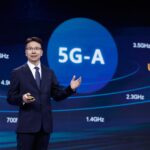
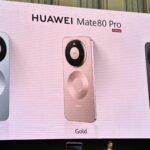
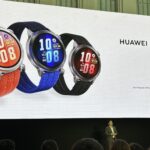
MWC26 Takeaway 4: As Inference Overtakes Training, Huawei Cloud Launches a New AI Data Platform (4 of 5)

Huawei Cloud has launched a new AI data platform specifically designed to handle the shift as inference begins to overtake training in the industry. This evolution is a critical component of a modern digital transformation strategy for enterprises looking to scale their intelligence. According to digital strategy consultant Jeffrey Towson, this move highlights the transition from building models to deploying them in functional, everyday business operations.

My 5 Takeaways from Mobile World Congress 2026 (Tech Strategy – Podcast 278)

The 2026 Mobile World Congress served as a pivotal moment for identifying the next wave of infrastructure and consumer tech trends. In this episode, digital strategy consultant Jeffrey Towson provides a detailed analysis of how these shifts impact a company’s long-term digital transformation strategy. From AI integration at the edge to the maturation of 6G, these five takeaways highlight the current state of global tech competition.

My 5 Takeaways from Mobile World Congress 2026 (Tech Strategy – Podcast 278)

The 2026 Mobile World Congress served as a pivotal moment for identifying the next wave of infrastructure and consumer tech trends. In this episode, digital strategy consultant Jeffrey Towson provides a detailed analysis of how these shifts impact a company’s long-term digital transformation strategy. From AI integration at the edge to the maturation of 6G, these five takeaways highlight the current state of global tech competition.

To access this post, you must log in as a member, purchase Subscriptions.

MWC 2026 Takeaway 3: Get Ready for Agent-Native Networks (3 of 5)

The transition to Agent-Native Networks marks a significant evolution where AI agents become the primary occupants and operators of digital infrastructure. Digital strategy consultant Jeffrey Towson highlights that this shift requires a complete rethink of how companies architect their long-term digital transformation strategy. By moving beyond human-centric interfaces, these networks allow for a level of autonomous coordination and speed previously unattainable in traditional systems.

MWC 2026 Takeaway 2: Huawei’s AI Infrastructure Depends on People, Not Just Processors (2 of 5)

The second takeaway from MWC 2026 highlights that high-performance processors are only one half of the equation for Huawei’s growing influence. Digital strategy consultant Jeffrey Towson argues that the ability to deploy complex AI infrastructure depends heavily on the engineers and experts who manage these systems on the ground. This focus on people over just hardware is a defining characteristic of a resilient digital transformation strategy for enterprises navigating the shifting tech landscape.

MWC 2026 Takeaway 1: Huawei’s Atlas 950 SuperPoD is a Rising Challenge to Nvidia’s AI Dominance (1 of 5)

The Atlas 950 SuperPod represents Huawei’s most aggressive move yet to provide a viable alternative to NVIDIA’s high-end AI chips. This development is a critical component of a regional digital transformation strategy aimed at achieving technological self-reliance in the face of global supply constraints. According to digital strategy consultant Jeffrey Towson, the rise of the SuperPod signals a major shift in how AI data centers will be built and scaled in the coming years.

From Underwater Sonar to Paper-Feel Tablets: Here’s Huawei’s Coolest New Consumer Tech (3 of 3) (Tech Strategy)

Huawei is aggressively expanding its product ecosystem to include unique hardware like tablets with a specialized paper-like display and advanced sonar technology for underwater use. This shift represents a broader digital transformation strategy as the company navigates changing global market dynamics. According to digital strategy consultant Jeffrey Towson, these innovations highlight a strategic move toward dominating niche consumer technology segments.

Huawei GT Runner 2: The Smartwatch That Should Have Garmin Worried (1 of 3) (Tech Strategy)

The article examines how Huawei is leveraging its massive R&D scale to challenge Garmin’s long-standing dominance in the high-end running market. By integrating advanced sensors and specialized software, the GT Runner 2 represents a significant step in the company’s broader digital transformation strategy. Digital strategy consultant Jeffrey Towson notes that this shift creates a new level of competition for specialized wearable tech brands.

Huawei GT Runner 2: A Clever Combination of “Breakthrough Tech” and “Emotional Resonance” (2 of 3) (Tech Strategy)

The GT Runner 2 succeeds by blending high-performance hardware with features designed to create emotional resonance with serious athletes. Digital strategy consultant Jeffrey Towson explains how this dual approach is a cornerstone of a modern digital transformation strategy aimed at capturing the high-end consumer segment. By focusing on the “runner’s journey” rather than just data points, Huawei is effectively shifting the competitive landscape.

3 Lessons from the Launch of Huawei’s GT Runner 2 Smartwatch in Madrid (Tech Strategy – Podcast 277)

The launch of the Huawei GT Runner 2 in Madrid provides a clear case study on how specialized wearables are evolving within a broader digital transformation strategy. Digital strategy consultant Jeffrey Towson explains that the success of such devices depends heavily on their ability to capture high-value user data and integrate it into a seamless health ecosystem. These three lessons illustrate the shift from general-purpose hardware to niche, high-performance tools that dominate specific consumer segments.