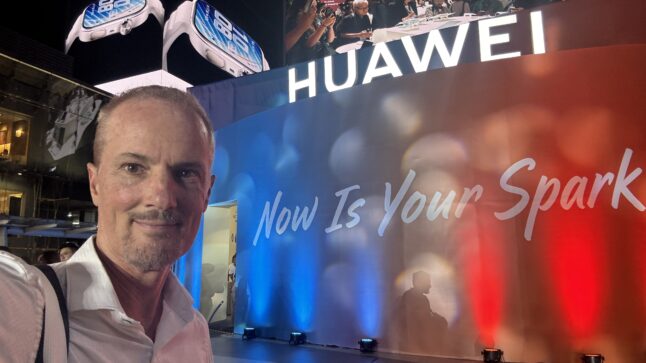
I was at Huawei’s Innovative Product Launch event in Bangkok last week. This is where they announce their new products and upgrades.
And it was pretty awesome. Lots of new consumer electronics. Which is kind of my thing.
I was also just at the one in Madrid. And I went to the one in Kuala Lumpur last year. Huawei definitely appears to be increasing frequency of their product roll-outs. It’s now 3x per year.
Compare that to Apple.
I’ll give you a quick summary of the new products from the event. But I really want to talk about the strategy lessons in this (i.e., my area).
The first product is their smart watch, the Watch Fit 5 Pro.
The Watch Fit 5 Pro: From Technical Utility to Emotional Resonance
In previous articles, I’ve argued that Huawei’s most effective consumer product strategy is a combination of breakthrough tech and emotional resonance.
In practice that means:
- Huawei uses its superior tech and R&D capabilities to create new functions and features in products. Ideally, these are features that rivals simply can’t match.
- This is mostly in hardware and engineering.
- This can be everything from crazy long-lasting batteries to super-accurate location accuracy.
- They then try to pair these unique features and capabilities with the strongest interests of specific customer sub-groups.
- For example, they pair the super-accurate location accuracy with professional and serious runners who really care about such tracking.
That is a bit in reverse. Usually you identify a customer, study their interests, and build products to meet them.
But for technology-intensive firms like Huawei, I think it often happens in reverse. It starts with the question “what features are technologically possible”? What could we actually get to work?
Founder Ren Zhengfei used to get asked about this a lot. How does the R&D department decide what to focus on? And he would always say that R&D reports to sales. Which means the customer needs determine the technology.
Either way, for this strategy to have real power, it needs both functions / features that rivals don’t have and a demographic or subgroup that really cares about them.
When looking at the new products, we can break down their features by 3 dimensions:
- Quality
- Utility
- Emotional Resonance.
Improving quality is always job 1 in consumer electronics.
Do the batteries last longer? Is the screen brighter?
Every consumer electronics business is always trying to make watches lighter, brighter and with a better battery. Huawei is just way better at constantly improving quality than most. I’ll list some of their breakthrough tech in this area in Part 3.
Increased utility is the next level of customer value.
This can be offering a better positioning system to runners and hikers. Or a larger suite of health functions. Huawei does some crazy stuff in terms of increased utility. For example, they have watches that work deep underwater. They can communicate with other watches using sonar-based messaging.
The final level is emotional resonance.
This is trickier. Making people really care about your features and products. Do the products make customers happy? You can’t really do any of this with products like blenders and air conditioners.
With that framework, let’s talk about Huawei’s new Watch Fit 5 Pro.
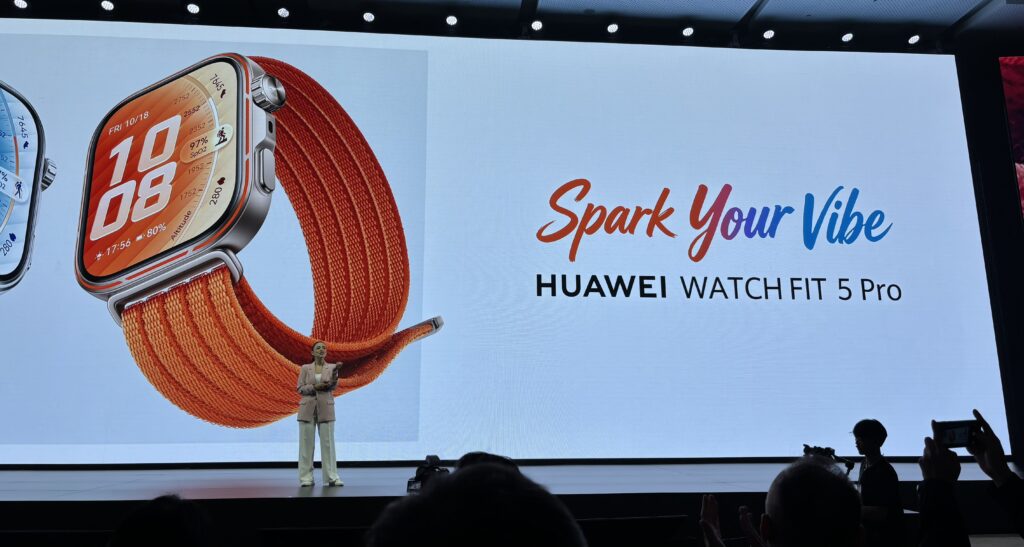
Watches have been a big focus for Huawei internationally. Huawei says they have sold +35M smart watches globally. And the Watch Fit series is their most popular line (21M in cumulative sales).
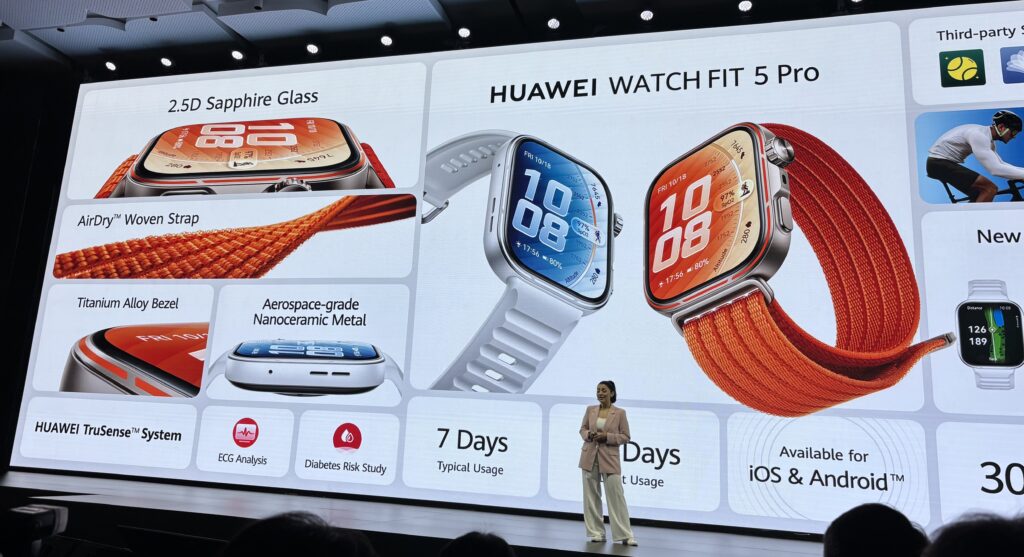
Here are the basics of the Watch Fit 5 Pro.
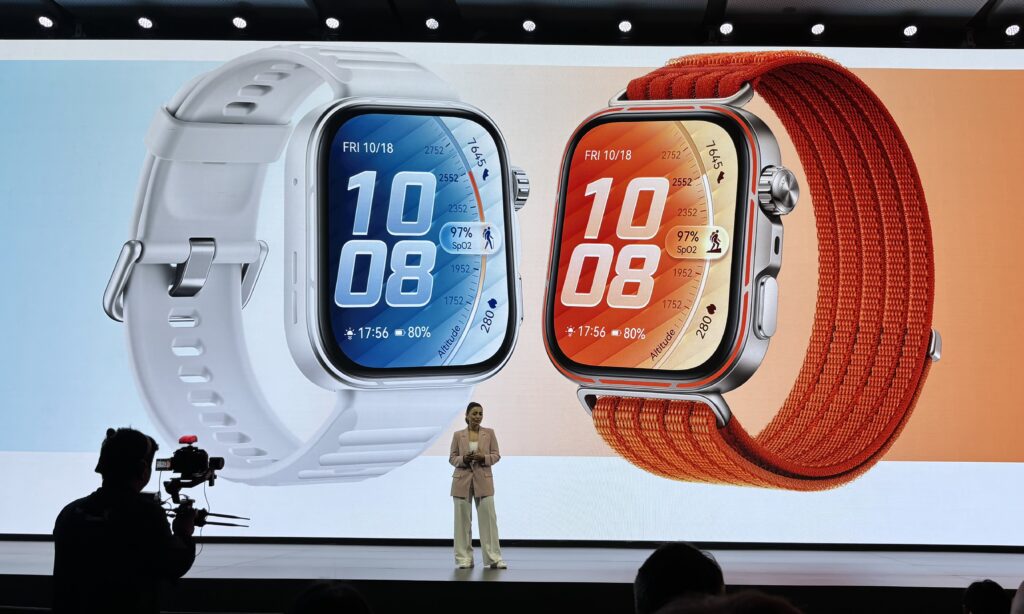
There are solid quality improvements.
- The display is brighter (3,000 nits, which is impressive) with less power usage.
- Screen size increased by 5% increased
- It has better glass (2.5D Sapphire Glass).
- The strap breathability is increased by 13%. And the strap is 16% lighter. This is actually pretty important. I have one of these straps and you can barely feel it on your wrist.
- Stronger overall build (Titanium Alloy Bezel)
In Utility, it has the basic smart watch functions.
- Messenger and phone.
- Health functions (heart rate, SpO2, Sleep)
- Integrated payments.
But for utility, they were definitely leaning into running and cycling functions. But the upgrades in these areas were not huge. Not like in their premium products (Watch Ultimate).
My main take-away was they are focusing much more on emotional resonance here.
The Future of Wearables Looks Like Mini Workouts and Dancing Pandas
How do you get emotional resonance? How do you make people care? How do you make them feel something about your product? Happiness? Comfort?
That’s a really good question. Especially in consumer electronics.
Users don’t get moved by a good calendar or messenger app.
You can focus on design and style. Apple used to be good at this. Now I think Huawei and Samsung are better in terms of design.
You can try to be cool. That’s Xiaomi. Their cool new EVs are getting a lot of attention at the moment.
But how can you get real emotional impact with a smartwatch?
What you do is look for a subset of your customers that care deeply about something related to your product. You want to identify the “white hot center” within your customers and their activities.
And for many products, there is no white-hot center. There isn’t one for blenders or electric fans.
But there are a few for smartwatches. For example, it turns out that some runners really, really care about running.
I’m not just talking about elite runners and professional athletes. I’m talking about dedicated (you could say addicted) runners. Everybody has a friend who is absolutely dedicated to running. It’s the friend that runs at 6am before work every day. Or that trains for marathons every year.
These are also the people who plan their runs in advance (i.e., with a map). They watch videos about running. They study how other runners train and deal with injuries. And they definitely track their route and performance during their runs.
I really like runners as a sub-group within mass market fitness. You can immediately identify a lot of functions you can provide with real utility.
I also really like golfers. They are obsessed (often addicted) and they spend big. It’s not as much of a mass market as running. But it’s great.
So, we have a “white hot center” to focus on. And these watches are great in terms of utility here.
But then we move to the pure emotion side. And that was what got my attention.
First, notice the colors of these watches.
Bright orange for the Pro version. And the normal version comes in five colors: Silver, Purple, White, Black, and Green.

Second, I noticed the addition of Emotional Wellness to its health functions.
It tracks whether you are happy or not. And it tries to cheer you up. Are you relaxed? Anxious? They also highlighted its Women’s Health Management function in its health functions.
Third, there is the Mini-Workout Mode, which was a big focus of the event.
As you go through your day, the watch monitors your activity and encourages you to do mini-workouts. No need for equipment or to go to the gym. Just do the little activities wherever you are. Sneak in some quick exercises, from 30 seconds to several minutes. It has 30 sets of actions covering 10 body parts.
And these mini-workouts are led by a cute panda that appears on the screen. If you are not active, the panda appears sleepy. As it takes you through little workouts, it gets happier.
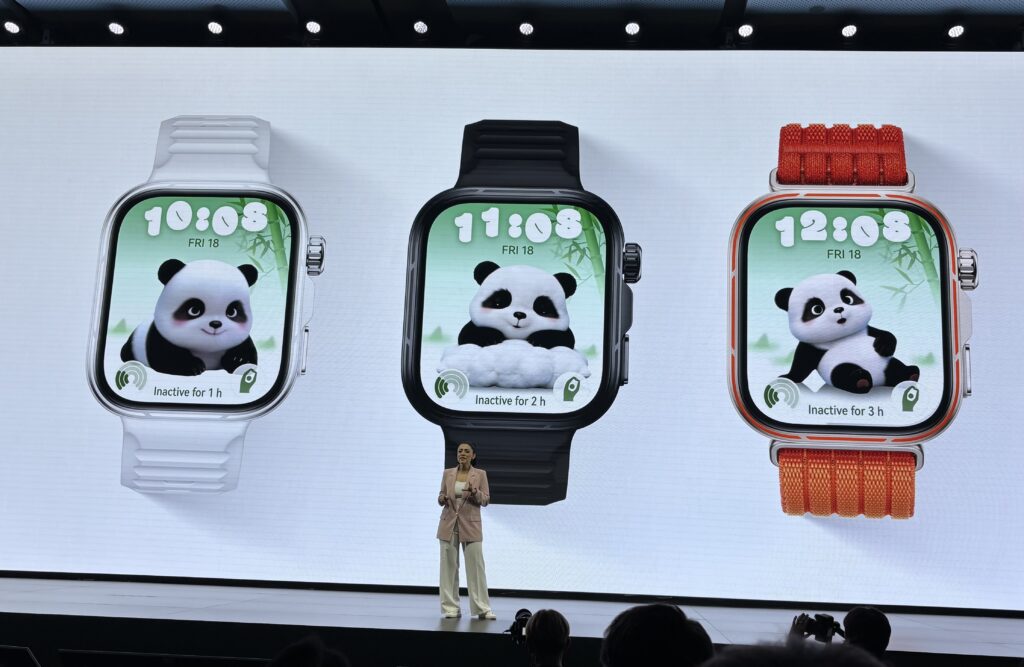
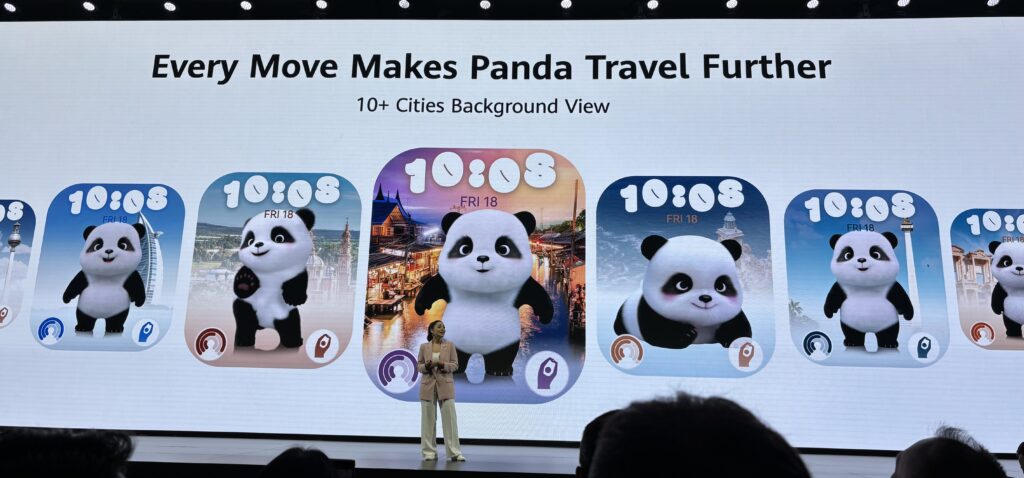
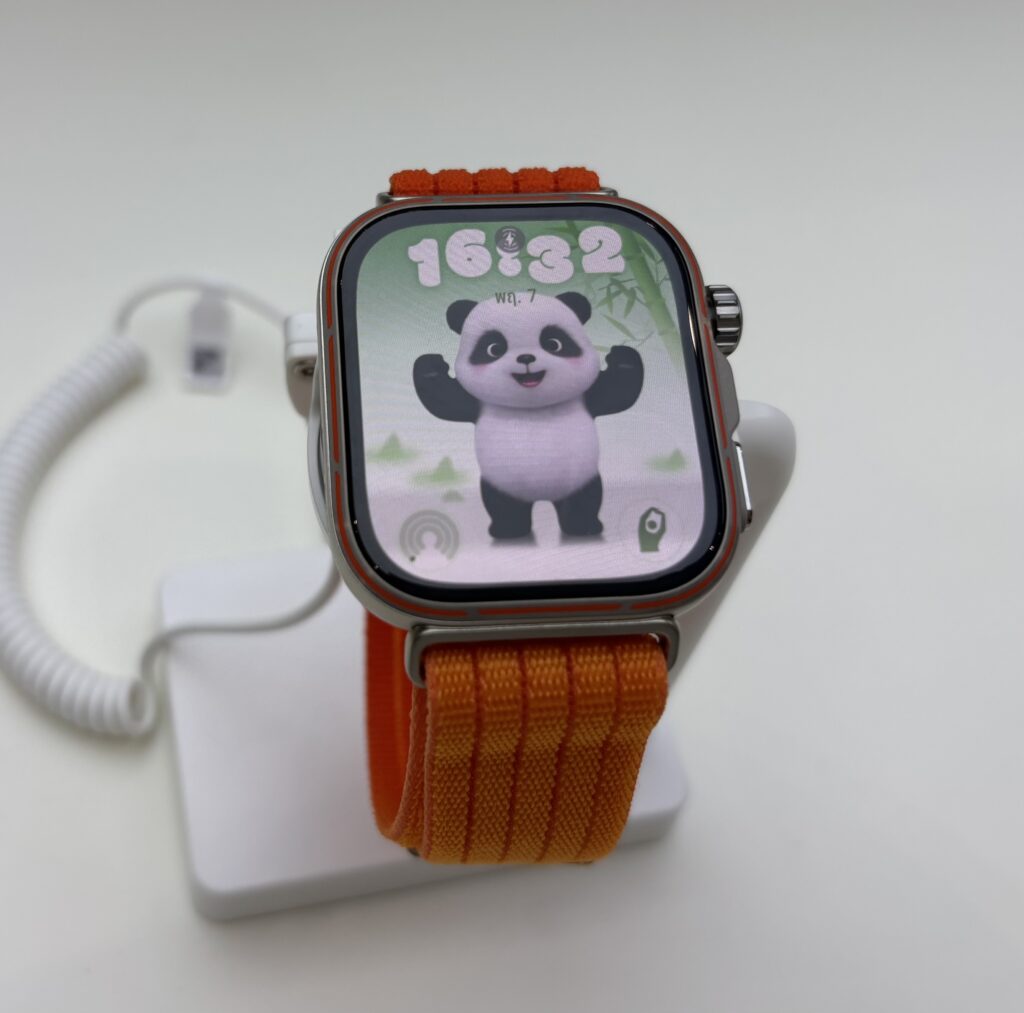
This is a really interesting mix of utility and emotional appeal (colors, cute pandas, etc.). When you think of Huawei, you mostly think about high performance tech, not bright colored watches with cute pandas.
But for which sub-demographic? Where would this resonate the most?
Runners, Golfers and Women Are Great Customers for Smart Products & Services
And then out came the spokesperson for this product. It was Fanny Ghassani, a mid-thirties Indonesian actress and fitness influencer. With over 1.8 million followers on Instagram, she is a major fitness advocate in Indonesia.
We saw lots of videos of her playing tennis (the smartwatch tracks your shots), running (it tracks your progress) and playing golf (it provides maps of the greens). The golf functions in particular are pretty great. With lots of courses, precise distance tracking and dynamic green views.
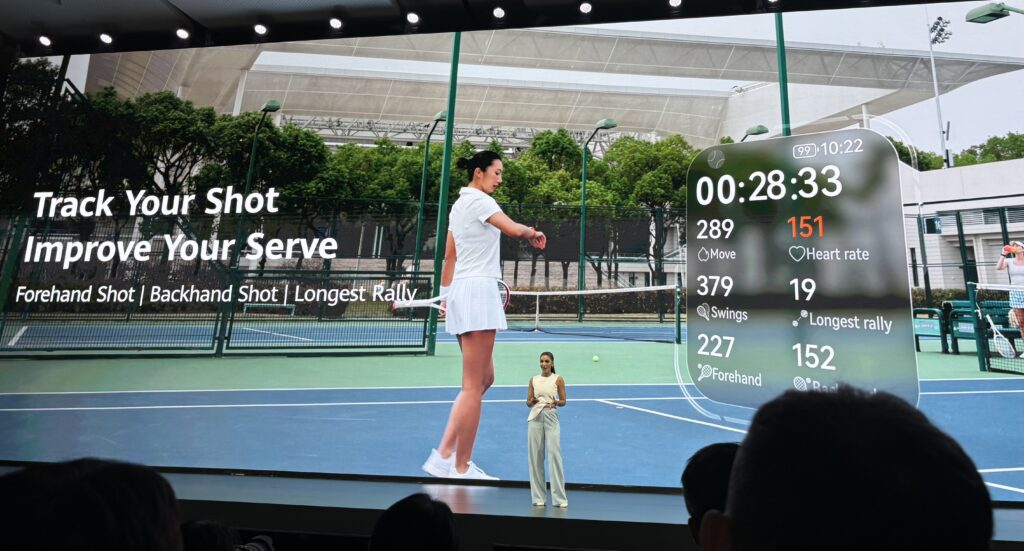
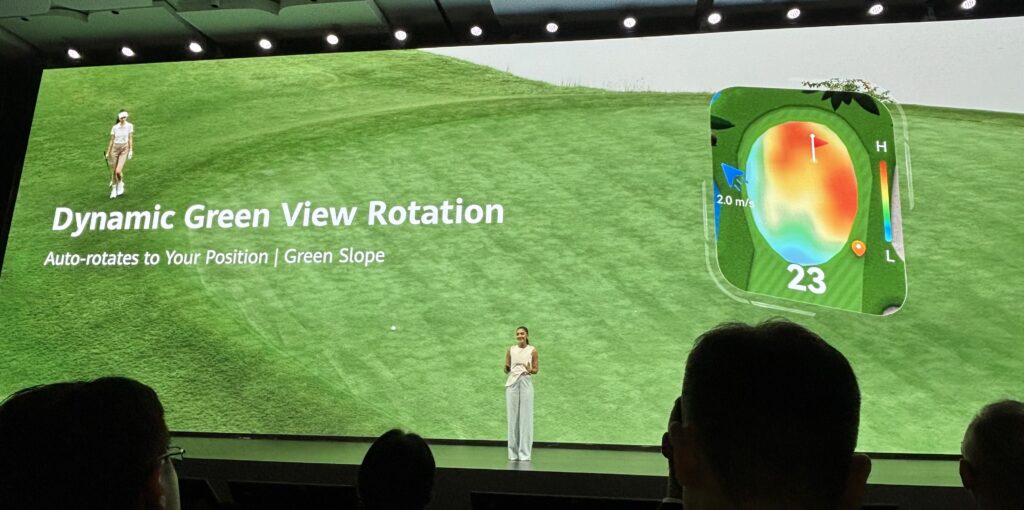
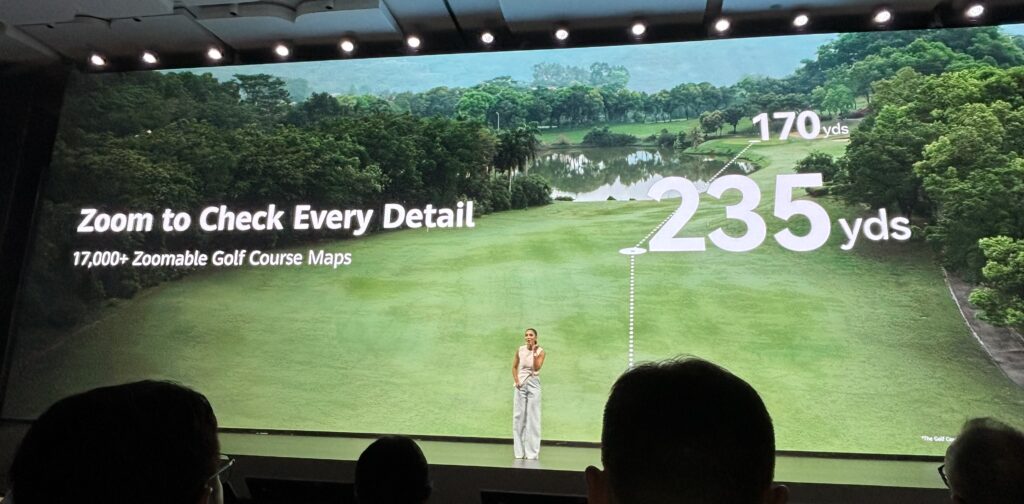
Here are the basics.

***
At the end of the presentation, I jotted down these notes.
- In these products, Huawei is focusing more on emotional resonance. Plus, lots of utility based on their tech strengths.
- They are going for mass market sports enthusiasts. This is more of an active lifestyle product.
- They are going for women, which is arguably the greatest consumer demographic.
Which immediately made me think about Steve Jobs.
Steve Jobs, Elon Musk, and the 4 Dimensions of Consumer Electronics Strategy
If you follow my strategy stuff, you know I always talk about digital strategy as a combination of three activities.
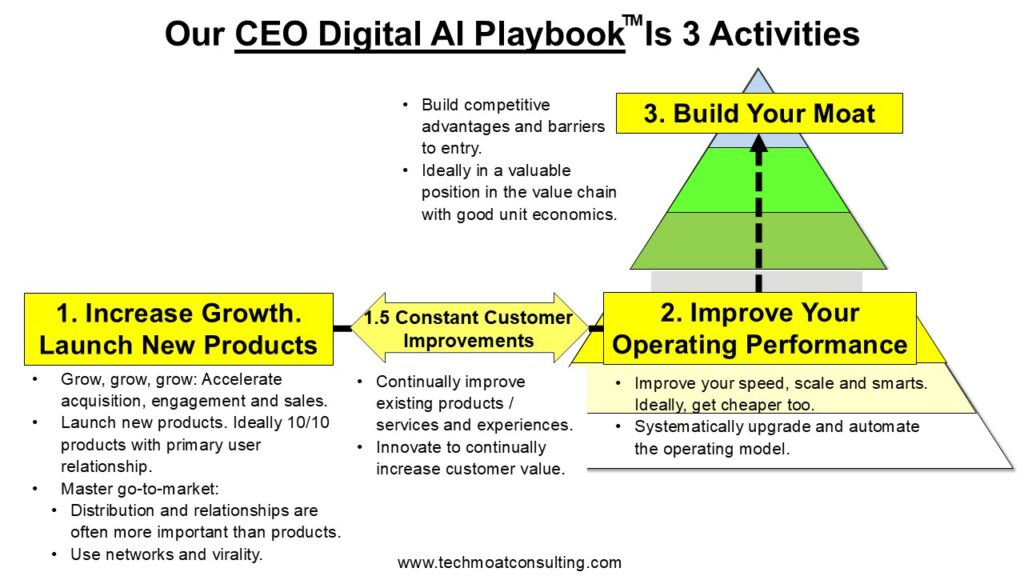
And you can find good cases for each of these activities with these three famous individuals.
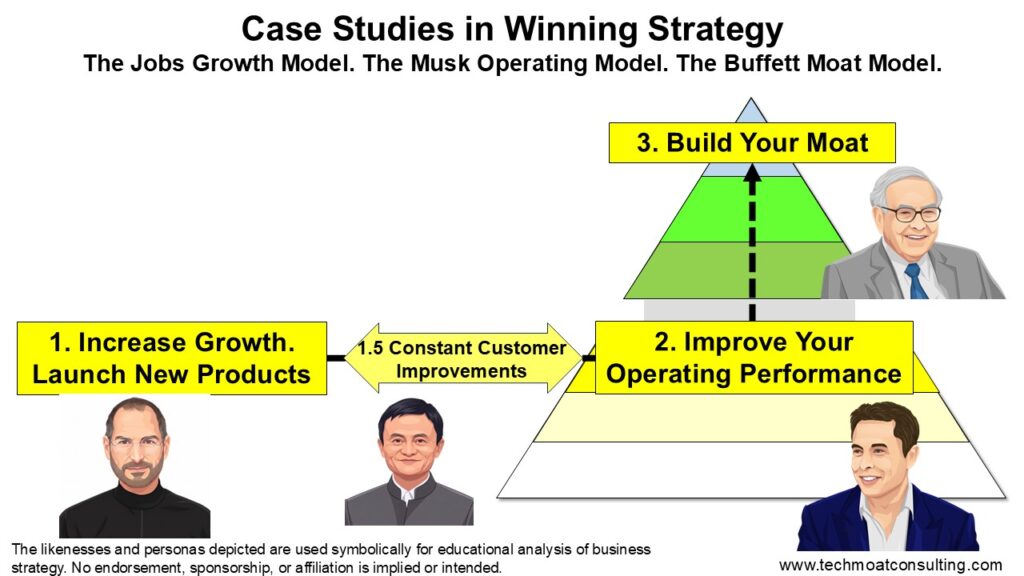
And for Activity 1 (Increase Growth. Launch New Products), I always think about Steve Jobs. This is where he excelled. He didn’t just create great products (good quality, lots of utility). He made you care about them. He made them cool. He was the king of emotional resonance in consumer tech.
Watching the Huawei presentation for these smartwatches, this is what I was thinking. They are sounding more like Steve Jobs with these watches.
In telco, Huawei is great at Activity 2 (Elon Musk-land), where you outperform rivals in R&D and technology. They are the leader in tech breakthroughs. Especially in telco.
Keep in mind, Huawei is $120B revenue company that spends 22% on R&D. That is a crazy amount of month. And they appear to be accelerating their product launch schedule.
So how do you win in consumer electronics long-term?
Not just with one product. But long-term.
I think about this question a lot.
And I usually look at 4 different dimensions for consumer electronics.
- Ecosystem building. This is where Apple lives. They have a dominant operating system (iOS) and that’s most of how they win. Xiaomi is similarly focused on ecosystems. They are building an interconnected consumer ecosystem. With lots of products for your person and home. And now they have cars.
- Software and AI. This is where most of Silicon Valley lives. They focus on software innovation and then contract to Asia for hardware. OpenAI and others are currently changing the nature of how humans interact with the internet and wearables (maybe). This could impact smartwatches.
- Emotional impact and resonance. This is the style, design, brand and other emotional aspects of wearables. It can be fashion and design. This is where Steve Jobs was great. And this can have real power in certain areas. Smartwatches yes. Smart fans no. Huawei is definitely focusing on this dimension. And they talk a lot about design. And about the emotional resonance of their products.
- Tech leadership. This is Huawei’s biggest strength. Especially in hardware. They lead with this in their consumer products.
Huawei is just way better at hardware innovation than the other consumer electronics businesses. And they really show this off in certain products, especially the Watch Ultimate. MatePad and Trifold. I’ll talk about this Part 3.
I also wrote about this in:
Ok. That’s it for Part 1. In Part 2, I’ll go through other products and then get into the tech breakthroughs (which are awesome).
Cheers, Jeff
*Disclosure: AsiaTech Services, LLC has had a paid commercial relationship with Huawei within the past 12 months. This article received no financial sponsorship or backing.*
———
Related articles:
- How Generative AI Services Are Disrupting Platform Business Models (2 of 2) (Tech Strategy – Daily Article)
- The Winners and Losers in ChatGPT (Tech Strategy – Daily Article)
- Why ChatGPT and Generative AI Are a Mortal Threat to Disney, Netflix and Most Hollywood Studios (Tech Strategy – Podcast 150)
From the Concept Library, concepts for this article are:
- Smartphones, smart devices, and wearables
From the Company Library, companies for this article are:
- Huawei: Consumer Business Group
——-
I am a consultant & keynote speaker on how to increase digital growth and strengthen digital AI moats.
I am the founder of TechMoat Consulting, a consulting firm specialized in increasing digital growth and strengthening digital AI moats. Get in contact here.
I write (a lot) about digital growth and digital AI strategy (3 best selling books, +2.9M followers on LinkedIn). There is a free book and email newsletter below.
My Moats and Marathons book series is a framework for building and measuring competitive advantages in digital businesses.
This content (articles, podcasts, website info) is not investment, legal or tax advice. The information and opinions from me and any guests may be incorrect. The numbers and information may be wrong. The views expressed may no longer be relevant or accurate. This is not investment advice. Investing is risky. Do your own research.