MWC 2026 Takeaway 3: Get Ready for Agent-Native Networks (3 of 4)

The transition to Agent-Native Networks marks a significant evolution where AI agents become the primary occupants and operators of digital infrastructure. Digital strategy consultant Jeffrey Towson highlights that this shift requires a complete rethink of how companies architect their long-term digital transformation strategy. By moving beyond human-centric interfaces, these networks allow for a level of autonomous coordination and speed previously unattainable in traditional systems.

MWC 2026 Takeaway 2: Huawei’s AI Infrastructure Depends on People, Not Just Processors (2 of 4)

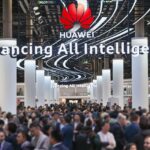
The second takeaway from MWC 2026 highlights that high-performance processors are only one half of the equation for Huawei’s growing influence. Digital strategy consultant Jeffrey Towson argues that the ability to deploy complex AI infrastructure depends heavily on the engineers and experts who manage these systems on the ground. This focus on people over just hardware is a defining characteristic of a resilient digital transformation strategy for enterprises navigating the shifting tech landscape.

MWC 2026 Takeaway 1: Huawei’s Atlas 950 SuperPoD is a Rising Challenge to Nvidia’s AI Dominance (1 of 4)

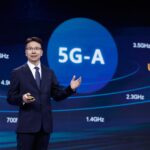
The Atlas 950 SuperPod represents Huawei’s most aggressive move yet to provide a viable alternative to NVIDIA’s high-end AI chips. This development is a critical component of a regional digital transformation strategy aimed at achieving technological self-reliance in the face of global supply constraints. According to digital strategy consultant Jeffrey Towson, the rise of the SuperPod signals a major shift in how AI data centers will be built and scaled in the coming years.

The New Hollywood Hierarchy: Winners and Losers in the Seedance Disruption (2 of 2) (Tech Strategy)

The traditional entertainment hierarchy is being inverted as viewers gain sovereignty over “content factories” through the rise of AI-driven generation. Digital strategy consultant Jeffrey Towson argues that this digital transformation strategy strips away the competitive advantage of high-cost physical production studios like Disney. By utilizing tools from companies such as ByteDance, independent creators can now bypass the old gatekeepers to reach audiences directly on platforms like YouTube and TikTok.

No Lights and No Cameras Needed. How Seedance Will Make Hollywood Obsolete. (1 of 2) (Tech Strategy)

The emergence of Seedance marks a fundamental shift from labor-intensive video production to automated AI generation, which digital strategy consultant Jeffrey Towson argues will make traditional scale in content creation obsolete. This digital transformation strategy favors audience-building platforms and GPU manufacturers while placing significant pressure on the established managerial class of Hollywood studios. By drastically reducing the cost of high-quality visual effects, the technology allows independent creators to compete directly with major entities like Disney and Netflix.

The Winners and Losers in Seedance’s Total Disruption of Hollywood (Tech Strategy – Podcast 276)

The emergence of Seedance represents a pivotal shift in how video content is created, moving from labor-intensive studio productions to AI-driven generation. Digital strategy consultant Jeffrey Towson explains that this digital transformation strategy allows small creators to compete with major studios by drastically reducing the cost of high-quality visual effects. Consequently, the traditional power structures of Hollywood are facing an unprecedented challenge as software begins to replace legacy production workflows.

To access this post, you must log in as a member, purchase Subscriptions.

Alibaba’s 4 Big AI Apps (Part 2 of 2 from My Visit to Alibaba) (Tech Strategy)

Alibaba is pivoting its core platforms, such as DingTalk and Amap, into AI-native interfaces that utilize the proprietary Qwen large language models. Digital strategy consultant Jeffrey Towson explains how these tools are moving beyond simple commands to perform complex, agentic tasks in both the physical and digital worlds. This comprehensive digital transformation strategy highlights the integration of AI-powered hardware and cloud-based “second brains” to redefine user engagement and business productivity.

7 Take-Aways from My Visit to Alibaba (Tech Strategy – Podcast 273)

During my recent visit to Alibaba, I identified several critical shifts in their operational approach and ecosystem development. Digital strategy consultant Jeffrey Towson breaks down how these changes serve as a blueprint for a modern digital transformation strategy. This analysis explores the seven primary takeaways regarding their current competitive advantages and future technical direction.

To access this post, you must log in as a member, purchase Subscriptions.

Lessons and Updates from My Visit to Alibaba (1 of 2) (Tech Strategy)

During my recent visit to Alibaba, I gained firsthand insights into how the company is evolving its massive ecosystem through a sophisticated digital transformation strategy. Digital strategy consultant Jeffrey Towson breaks down the key lessons from the Hangzhou headquarters, focusing on the integration of physical and digital commerce. This update provides a detailed look at how their tech strategy continues to set the pace for global competitors.

4 Take-Aways from My Visit to Baidu AI Cloud (Tech Strategy)

During a recent visit to the headquarters in Beijing, digital strategy consultant Jeffrey Towson observed how the company has successfully pivoted from a search-centric business to an AI-first powerhouse. This shift represents a core component of their broader digital transformation strategy, moving beyond mobile apps to focus on a full-stack AI cloud infrastructure. By prioritizing industry-specific intelligence and long-term visionary investments, the firm is positioning itself as a primary architect of the generative AI era in China.